How to Compare Knitting Machine Prices in 2026?
Comparing a Knitting Machine Price in 2026 takes more than checking the number on a supplier’s page. A compact domestic machine may look affordable, while an industrial flat-knitting system can require extra feeders, setup, software, and maintenance. Those details change the real cost. A low quote is not always a bargain.
Industry data can provide context, but it has limits. The International Textile Manufacturers Federation’s International Textile Machinery Shipment Statistics report tracks machinery shipments across textile sectors. It offers a useful view of market activity, but it is not a retail price list for individual knitting machines. That distinction matters. Buyers should treat broad market reports as background, then verify prices directly with manufacturers or authorized dealers. Request itemized quotations, including delivery, installation, training, warranty coverage, and spare parts.
Compare like with like. Note each machine’s knitting method, working width, gauge, production capacity, and included accessories. Ask whether the stated price covers the controller and required software. A machine shown with Yarn Feeders in a product photo may not include them in the quote. Small detail, big difference. Check the supplier’s service history and ask for written specifications; an attractive price means little if replacement parts take weeks to arrive. Prices can also vary by configuration and region, so no single figure represents the whole market. Some comparisons will remain imperfect. Still, a clear checklist makes estimates more reliable and helps explain what each 2026 price actually includes.
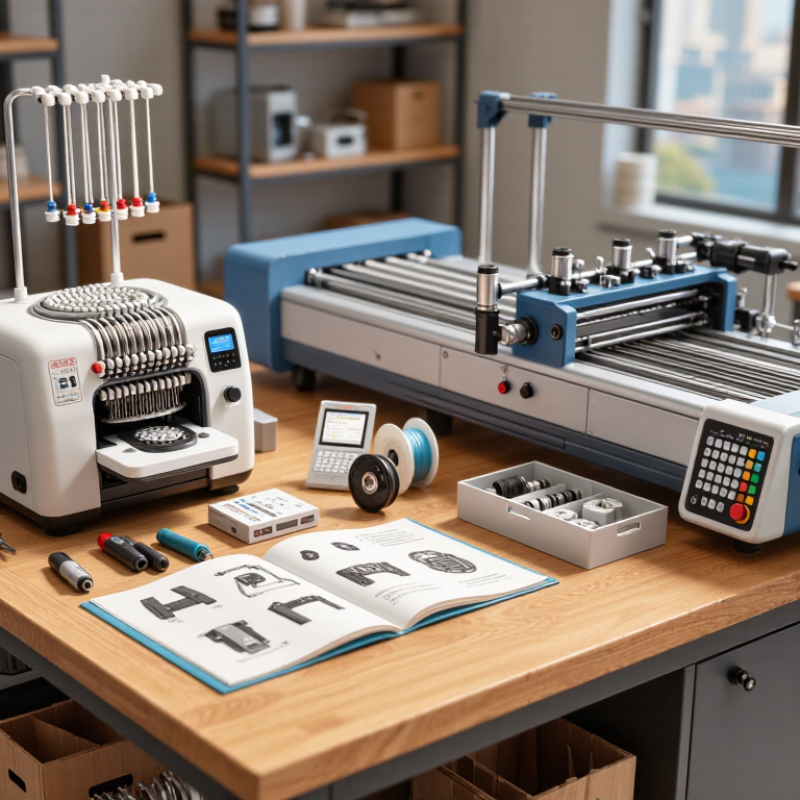
Define the Main Types of Knitting Machines Available in 2026
How to Compare Knitting Machine Prices in 2026?
Knitting machines differ by structure, output, and control system. Circular machines produce tubular fabric for socks, jerseys, and seamless garments. Flat-bed machines create shaped panels with changing widths. Warp knitting machines make stable, high-speed fabrics for sportswear and technical textiles. Computerized flat-bed models add pattern programming, but software and maintenance increase ownership costs.
The International Textile Machinery Federation reported a 24% year-on-year decline in new circular knitting machine shipments in 2023. Flat knitting shipments fell by about 3%. This suggests cautious investment, not necessarily lower prices. Grand View Research forecasts continued growth in the global knitting machine market through 2030, with automation supporting demand. For 2026 comparisons, check gauge, needles, production speed, energy use, and technician availability. A cheaper machine may become expensive after frequent calibration. I have seen buyers overlook spare-part delivery times. That mistake can stop production for days.
Tips: Compare total ownership cost, not only the invoice. Request electricity data, warranty terms, training hours, and estimated maintenance costs. For small workshops, a manual or semi-automatic flat-bed machine may offer better control. Larger operations may justify circular or computerized equipment. Test sample fabric first. Reports describe markets, but your yarn, labor, and product mix decide real value.
How to Compare Knitting Machine Prices in 2026?
Main Types of Knitting Machines Available in 2026
The chart compares indicative 2026 new-machine price ranges in USD for common knitting-machine categories. Prices vary according to gauge, working width, automation level, production capacity, software, and included accessories. Flat-bed machines are generally suitable for shaped panels and garments, circular machines for continuous tubular fabrics, sock machines for hosiery, and warp-knitting machines for high-volume fabric production.
Price figures are non-brand market estimates for comparison purposes and exclude shipping, installation, taxes, and maintenance.
Identify the Features That Influence Knitting Machine Prices
In 2026, knitting machine prices will depend more on usable features than on appearance. Gauge is a major cost driver. A machine with 3–5 needles per inch suits bulky yarns, while 12–16 gauge systems create finer, denser fabrics. More needle beds also increase flexibility, but they raise maintenance demands.
Automation adds another price layer. Electronic pattern control, automatic yarn feeders, tension monitoring, and servo-driven carriages reduce manual adjustments. They also require trained operators and reliable software support. The International Textile Machinery Federation reported about 96,800 large circular knitting machines shipped globally in 2023. This volume shows a substantial industrial market, but it does not make advanced systems cheap. Production width and feeder count matter too. A wider machine can produce more fabric per cycle, while additional feeders support complex patterns.
Energy use deserves closer attention. The International Energy Agency continues to identify motor efficiency and smart controls as important industrial energy-saving measures. Therefore, compare power consumption, not only purchase price. Service access, spare-part availability, warranty coverage, and software updates can change the real cost within three years. My practical mistake was comparing machines by speed alone. Faster output may create more waste when tension control is weak. A lower-priced model can be sensible for sampling, but high-volume factories may need automation, stable calibration, and measurable uptime. Ask for trial fabric, energy data, and maintenance records before accepting a quotation.
Compare Prices Across Brands, Models, and Retailers
Comparing knitting machine prices in 2026 requires more than checking the lowest number. Compare prices across brands, models, and retailers using the same specifications. A basic machine may cost less, but a wider bed, electronic controls, or interchangeable needles can change the value quickly. Write down the machine type, gauge, included tools, delivery fee, and warranty length.
Retailer pricing often differs for practical reasons. One seller may include a ribber, carrying case, or setup support. Another may offer a cheaper machine but charge more for shipping and returns. Check product photos carefully. Missing carriage parts can make an attractive used listing expensive to repair. Read recent customer feedback, especially comments about packaging, instructions, and after-sales responses.
Model comparisons should include real knitting needs. Measure the garments you plan to make, then match the machine’s gauge and working width. A compact model suits narrow scarves, while larger projects may need more workspace. I once focused too heavily on the purchase price. That was a mistake. Maintenance, replacement parts, and learning time also affect cost. Prices can change quickly, so record the date and currency when saving each offer. The cheapest option is not always the most reliable one. Sometimes, it is.
How to Compare Knitting Machine Prices in 2026? - Compare Prices Across Brands, Models, and Retailers
Representative U.S. price ranges in USD for common knitting machine types. Categories are generic, not brand or company listings; actual prices vary by condition, accessories, seller, and location.
| Machine Type | Typical Gauge / Use | New: Specialist Retailer | New: General Marketplace | Used: Resale Marketplace | Commonly Included | Price-Comparison Check |
| Manual flatbed starter machine | Standard gauge; basic flat panels and simple stitch patterns | $150–$350 | $120–$320 | $60–$220 | Needle bed, carriage, basic tools, and instruction materials | Check that the carriage moves smoothly and that needles and clamps are present. |
| Punchcard patterning machine | Standard gauge; repeated color or texture patterns using punchcards | $500–$1,000 | $450–$950 | $200–$650 | Patterning bed, carriage, a starter set of cards, and basic accessories | Compare the number of pattern cards and confirm the card-reading mechanism works. |
| Electronic patterning machine | Standard gauge; electronically selected stitch patterns | $1,000–$2,500 | $900–$2,300 | $350–$1,400 | Electronic control unit or compatible interface, carriage, power supply, and tools | Check software or interface compatibility, electrical operation, and parts availability. |
| Bulky-gauge flatbed machine | Wider needle spacing; heavier yarns and thicker fabrics | $300–$800 | $250–$750 | $120–$500 | Bulky-gauge bed, carriage, sinker plate, and a basic tool set | Compare the included yarn tension equipment and verify that the bed is undamaged. |
| Ribber attachment or ribber set | Used with a compatible flatbed to make ribbing and double-bed fabrics | $300–$800 | $250–$750 | $100–$450 | Ribber bed, connecting brackets, comb, weights, and tools | Confirm compatibility with the main machine; attachments are not universally interchangeable. |
| Circular sock-knitting machine | Small-diameter circular knitting for socks and tubes | $500–$1,500 | $450–$1,400 | $250–$1,000 | Cylinder, crank, yarn guides, and basic setup tools | Compare cylinder size, needle count, setup requirements, and whether it has been tested. |
Evaluate Total Ownership Costs Beyond the Purchase Price
When comparing knitting machine prices in 2026, the listed figure is only the entry point. In a workshop, I have seen a low-cost machine become expensive after several small purchases. Needles, transfer tools, replacement belts, lubricants, and compatible software can quietly enlarge the budget. Ask for a complete starter list, not just the machine quotation. It exposes missing items before installation day.
Energy use also matters. Record the machine’s wattage, expected weekly hours, and local electricity rate. Add operator training, cleaning time, calibration, and planned maintenance. A machine requiring frequent adjustments may cost more through lost production than through spare parts. Track downtime in hours, then multiply it by your realistic hourly contribution margin. Do not use an ideal production rate. That was my spreadsheet mistake.
Service access deserves equal attention. Check warranty coverage, response times, technician travel fees, and the availability of ordinary wear parts. Request written maintenance intervals and ask who performs repairs after the warranty ends. Financing can distort comparisons, too. Calculate interest, payment fees, installation, delivery, taxes, and workspace changes in one ownership model. Estimate resale value cautiously; specialized equipment may sit unused for months. A practical comparison uses a three- to five-year cost per productive hour, supported by supplier documents and your own operating records. Leave room for errors. Real workshops rarely behave like a brochure.
Choose the Best Knitting Machine for Your Budget and Needs
How to Compare Knitting Machine Prices in 2026?
Choosing the best knitting machine starts with your project, not the price tag. A low-cost model may suit simple scarves, small panels, or occasional practice. A more advanced machine can handle different yarn weights, larger garments, and repeated production. Think about your real habits. I once focused too much on the lowest price and ignored setup time. That mistake made each project feel slower.
Compare the complete cost, not only the machine’s listed price. Include needles, transfer tools, replacement parts, pattern resources, and possible repairs. Check the machine’s supported yarn range and knitting width. A model that cannot handle your preferred yarn may become an expensive decoration. Read independent user experiences carefully. Look for comments about noise, instructions, learning difficulty, and long-term reliability. Warranty terms and accessible customer support also matter, especially for beginners.
Tips: Write down three projects you want to make in 2026. Then match each machine to those needs. If you mainly create lightweight sweaters, prioritize fine control and stitch consistency. For blankets or thick winter pieces, check the maximum yarn capacity. Test the machine in person when possible. Bring a small yarn sample. Listen to the operating sound. Feel the carriage movement. A slightly higher price may be worthwhile if it saves frustration, but that is not always true. Leave room in your budget for learning mistakes, because they happen.


