Biotech, pharma, food industries equipment & plants
Choosing a Zero Leakage Butterfly Valve demands more than matching the flange diameter. The valve must suit the medium, pressure, temperature, cycling frequency, and pipeline environment. A valve handling clean water may perform well with an elastomer seat. The same design could fail quickly in abrasive slurry or hot chemical service.
Philip L. Skousen, author of The Valve Handbook, offers a useful principle: “Valve selection begins with understanding the process, not the pipe size.” That idea guides this article. The following seven tips examine seat materials, disc design, shaft sealing, pressure ratings, actuation, testing, and supplier support. Each detail matters. A small scratch on the sealing edge can create a visible drip. Incorrect actuator torque can leave the disc slightly open. It happens.
Zero leakage also needs careful definition. Some specifications refer to resilient-seat performance, while others require a documented test standard and acceptance rate. Buyers should request test certificates, material records, pressure limits, and cycle data. Do not rely only on the phrase “zero leakage” in a brochure. Verify the claim against the actual service conditions.
Field experience often reveals uncomfortable gaps. A valve may pass a factory test yet leak after poor installation, dirty pipework, or misaligned flanges. This guide therefore focuses on practical selection, not attractive wording. Use the recommendations as a technical starting point, then confirm every choice with the manufacturer’s data and an engineer familiar with your system.
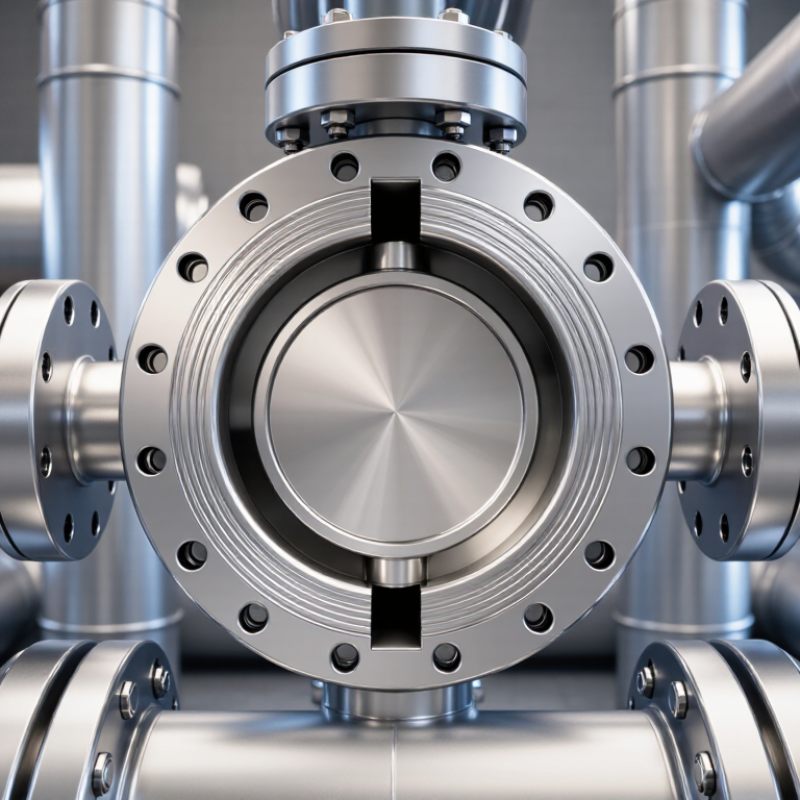
Before selecting a zero-leakage butterfly valve, define what “zero” means in your process. In engineering practice, it usually means no visible leakage or a specified shutoff class under controlled testing. Ask whether the valve isolates gas, water, steam, slurry, or a corrosive chemical. Each medium changes seat compatibility, torque, and expected service life. Record normal and maximum pressure, temperature, flow velocity, and differential pressure. Include vacuum conditions and pressure surges. These details expose risks that catalog descriptions often hide. A valve that seals perfectly at room temperature may leak after repeated thermal cycling.
Define the required leakage rate, test medium, test pressure, and test duration before requesting quotations. Specify whether testing follows a recognized valve standard or an internal procedure. The actuator must close the disc with enough torque, including friction, deposits, and emergency margins. Check line alignment, flange condition, and installation space. Poor alignment can damage the seat. Plan for the real operating cycle, not only the clean commissioning test. I have seen promising selections fail because abrasive particles were ignored. That mistake is easy to repeat. Review inspection records, pressure-test results, material certificates, and maintenance access with qualified personnel. Do not accept “zero leakage” without a measurable acceptance criterion.
A zero-leakage butterfly valve starts with the correct design, not the lowest price. Choose a concentric design for general water service and moderate pressure. For higher pressure or frequent cycling, consider a double-offset design. A triple-offset design may suit demanding thermal applications. Confirm the pressure, temperature, media, and pipe size before selection. Small details matter.
Seat material controls chemical resistance and sealing performance. EPDM suits water, steam, and many mild chemicals, but it performs poorly with oils. NBR handles oils better, while PTFE offers strong chemical resistance and broad temperature capability. FKM can support many hydrocarbon services, but it is not suitable for every chemical. Check the manufacturer’s compatibility data. Never guess.
Ask for a certified shutoff test. The test standard and pressure must match the actual service. Inspect the disc edge, shaft, seat contact, and flange alignment during installation. Poor alignment can damage a good seat quickly. In field inspections, loose bolting and pipe stress often cause avoidable leakage. They are common problems. Also check cycling frequency, actuator torque, and emergency operating needs. A valve that seals during commissioning may fail after repeated thermal movement. That possibility deserves attention. Review maintenance access, replacement seat availability, and the valve’s rated cycle life before approval.
Select the correct butterfly valve design and seat material by checking the pressure class, temperature range, fluid compatibility, shut-off standard, operating frequency, shaft arrangement, and maintenance requirements.
The chart shows typical upper continuous service temperatures for commonly used resilient seat materials. Actual limits vary by compound, pressure, fluid, cycle frequency, and valve construction. Always verify the manufacturer’s technical data and the required leakage class before selection.
A zero-leakage butterfly valve starts with fluid chemistry, not valve size. Match the seat, disc, stem, and body to the process fluid. PTFE seats suit many aggressive chemicals, while EPDM performs well with water and mild aqueous services. Hydrocarbons can swell EPDM. FKM may handle oils better, but it can struggle with hot steam. Small differences matter.
The environment matters just as much. Chlorides can attack stainless steel, especially near welds and stagnant areas. Duplex stainless steel may offer stronger resistance in severe chloride service. Carbon steel can remain economical in dry, non-corrosive systems. The NACE IMPACT study estimated global corrosion costs at 2.5 trillion dollars, or 3.4% of global GDP. Material selection deserves that level of attention.
Check temperature, pressure, concentration, cycling, and cleaning chemicals together. A liner that survives the fluid may still crack during thermal cycling. ISO 5208 and API 598 provide recognized leakage-test methods, but “zero leakage” should mean a defined acceptance class. Ask for the tested medium and temperature. Field failures often begin with incomplete data. I have seen specifications list “water service” without identifying chlorides, pH, or treatment chemicals. That shortcut can invalidate an otherwise careful selection.
A zero-leakage butterfly valve needs more than a tight seat. Pressure rating, actuation, and control compatibility determine whether performance survives daily operation. Check the line pressure, temperature, fluid chemistry, and pressure surges. ASME B16.34 provides pressure-temperature rating guidance, while API 598 and ISO 5208 define leakage testing methods. Do not treat “zero leakage” as an unlimited promise. Test class, direction, and seat material still matter.
Tip 1: Match the valve rating to the real operating envelope. Include pump start-up pressure and water hammer, not only the normal gauge reading. A small safety margin is sensible. An oversized margin can increase cost and reduce control sensitivity.
Tip 2: Select actuation from cycle frequency and failure response. Pneumatic actuators suit fast cycling and hazardous areas when properly configured. Electric actuators offer simpler utility connections but need accurate torque settings. The U.S. Department of Energy reports that compressed-air leaks can waste 20–30% of compressor output, so inspect air tubing, fittings, and solenoid valves. The actuator may not be the only leak.
Tip 3: Review control needs before choosing the disc and actuator. On-off service needs reliable end stops. Throttling service needs position feedback, stable torque, and a suitable control signal. Field commissioning often exposes a poor assumption: a valve can seal perfectly yet control poorly near its closed position. Record shutoff pressure, stroke time, and leakage results under actual service conditions. Recheck them after thermal cycling.
7 Tips for Choosing a Zero Leakage Butterfly Valve
A zero leakage claim should begin with test evidence, not a sales phrase. Ask for shell, seat, and functional test records for the exact valve configuration. Confirm the test medium, pressure, duration, and accepted leakage standard. Demand traceable records. A factory report alone may not reflect your operating conditions. I have seen projects overlook temperature changes, abrasive media, and frequent cycling.
Review certification carefully. The certificate should match the valve size, pressure class, materials, and intended service. Check its issuer, validity period, and applicable standard. Do not accept a generic document. Also confirm whether fire safety, drinking water, or hazardous-area requirements apply to your site. Certification scope matters more than a logo.
Installation can decide whether zero leakage survives. Inspect flange faces, remove pipe debris, and keep the disc clear during alignment. Uneven bolt tightening can distort the body. Installation matters. Verify actuator torque and travel settings before pressurizing the line. Maintenance support should include inspection intervals, seal replacement guidance, spare-part availability, and trained technical assistance. Request sample maintenance records and response times. Keep the evidence. A practical checklist is useful, but it may still miss an unusual failure mode; review field results after commissioning and adjust the maintenance plan.
| Tip | Selection Dimension | What to Verify | Recommended Evidence or Acceptance Criteria | Why It Matters |
|---|---|---|---|---|
| 1 | Define the required shut-off performance | Confirm whether “zero leakage” means a resilient-seated bubble-tight shut-off requirement or a specified allowable leakage rate for a metal-seated design. | The purchase specification should state the applicable test standard, test pressure, test medium, test duration, valve size, pressure rating, and allowable leakage. ISO 5208 and API 598 are commonly used references for industrial valve pressure and leakage testing. | “Zero leakage” is not a universal technical term. A clearly defined acceptance requirement prevents disputes during inspection and commissioning. |
| 2 | Match the valve to pressure, temperature, and media | Check the pressure class or PN rating, design temperature, operating pressure, flow direction, fluid compatibility, and frequency of operation. | Review the manufacturer’s pressure–temperature rating, seat and liner material, body material, shaft material, and corrosion-resistance data. Verify that the selected material is suitable for the process fluid, including any solids, chemicals, or abrasive particles. | A seat that performs well with clean water may not provide reliable shut-off in abrasive, corrosive, high-temperature, or contaminated service. |
| 3 | Verify applicable design standards and certification | Confirm the valve’s dimensional, design, fire-safety, material, and quality requirements for the intended application and jurisdiction. | Depending on the service, review compliance with standards such as API 609 or EN 593 for butterfly-valve design, ISO 5211 for actuator mounting interfaces, EN 10204 for material inspection documents, and applicable local regulatory requirements. | Standards provide a consistent basis for dimensions, testing, documentation, interchangeability, and quality control. Certification should be relevant to the actual service rather than used as a generic marketing claim. |
| 4 | Examine factory testing and traceability | Ask how the body, seat, shaft, disc, and assembled valve are inspected before shipment. | Request documented shell and seat test records, calibrated-gauge information, test medium, test pressure, test duration, leakage result, inspector identification, and valve serial or heat-number traceability. Material certificates should be linked to the supplied valve where required. | A final test certificate demonstrates that the specific valve supplied—not only a similar model—was tested against the agreed requirements. |
| 5 | Check installation conditions and alignment requirements | Verify flange standard, face-to-face dimension, pipeline cleanliness, flange alignment, bolt pattern, actuator clearance, and installation orientation. | Use the valve’s approved installation instructions. Do not use the valve to correct pipe misalignment, avoid damaging the seat during flange installation, confirm disc clearance through the full stroke, and tighten flange bolts in a controlled cross-pattern using the specified procedure. | Improper alignment, excessive gasket intrusion, pipe stress, or disc interference can cause leakage even when the valve passed its factory test. |
| 6 | Select and test the actuator and accessories correctly | Determine the required operating torque, fail position, control method, cycling frequency, and environmental protection level. | Confirm that the actuator torque exceeds the valve’s maximum breakaway and seating torque with an appropriate engineering margin. Check the operating pressure for pneumatic actuators, power supply for electric actuators, limit switches, position feedback, solenoid valves, and manual override arrangements. | Insufficient actuator torque, incorrect travel stops, or poorly adjusted limit switches can prevent the disc from reaching the proper shut-off position. |
| 7 | Evaluate maintenance support and spare-parts availability | Review the inspection interval, seat-replacement method, shaft-seal arrangement, spare-part shelf life, repair capability, and technical support response. | Obtain an operation and maintenance manual, parts list, sectional drawing, recommended spare-parts list, lubrication instructions where applicable, troubleshooting guide, and defined service procedure. After maintenance, repeat the required pressure and seat-leakage tests before returning the valve to service. | Reliable maintenance documentation and replaceable wear parts help preserve shut-off performance and reduce unplanned downtime over the valve’s service life. |