Biotech, pharma, food industries equipment & plants
China is central to the global solar supply chain, but a “top 10” list should explain how manufacturers were selected. The International Renewable Energy Agency reported that global solar capacity grew by about 346 GW in 2023. China contributed roughly 217 GW of that expansion. Scale matters. Yet it does not, by itself, prove that a supplier is the right choice for every project.
The International Energy Agency’s 2022 review of solar PV supply chains found that China held more than 80% of global manufacturing capacity across key stages, including wafers, cells, and modules. That concentration helps explain why Chinese companies feature prominently in discussions of the On Grid Solar System market. Still, buyers should compare specific products, not just company names. Module efficiency, degradation rates, warranty terms, certification records, and compatibility with grid-connected inverters all affect project performance.
This guide examines ten Chinese manufacturers and the evidence behind their market standing. It focuses on product portfolios, manufacturing scale, global reach, and publicly available technical information. These indicators are useful, but imperfect. Company rankings can shift, and published figures may not be directly comparable. Treat the list as a starting point, then verify current datasheets and independent certifications before making a procurement decision.
An on-grid solar system connects rooftop solar panels to a building’s electrical system and the public utility grid. The panels produce direct-current electricity, which an inverter converts into alternating current for household appliances. Think of a bright afternoon: sunlight powers a refrigerator, lights, or a washing machine as they operate. Any available solar power beyond the building’s immediate needs may flow to the grid, depending on the system setup and local arrangements. No battery is required.
After sunset, or when demand exceeds solar production, the building can draw electricity from the grid. A bidirectional meter may record electricity flowing both ways. How exported power is credited varies, so projected savings depend on more than panel output; usage patterns and the applicable utility terms matter too. Check those details before estimating a payback period.
One safety detail is easy to miss. During a grid outage, a standard grid-tied inverter typically stops supplying power, even if the panels remain in sunlight. This protects utility workers and helps prevent electricity from entering a disconnected line. Backup power generally requires additional equipment and careful system design. It is a useful arrangement, but not a guarantee of electricity during outages. A qualified installer should assess roof shade, electrical capacity, and expected household loads; small site differences can change the result.
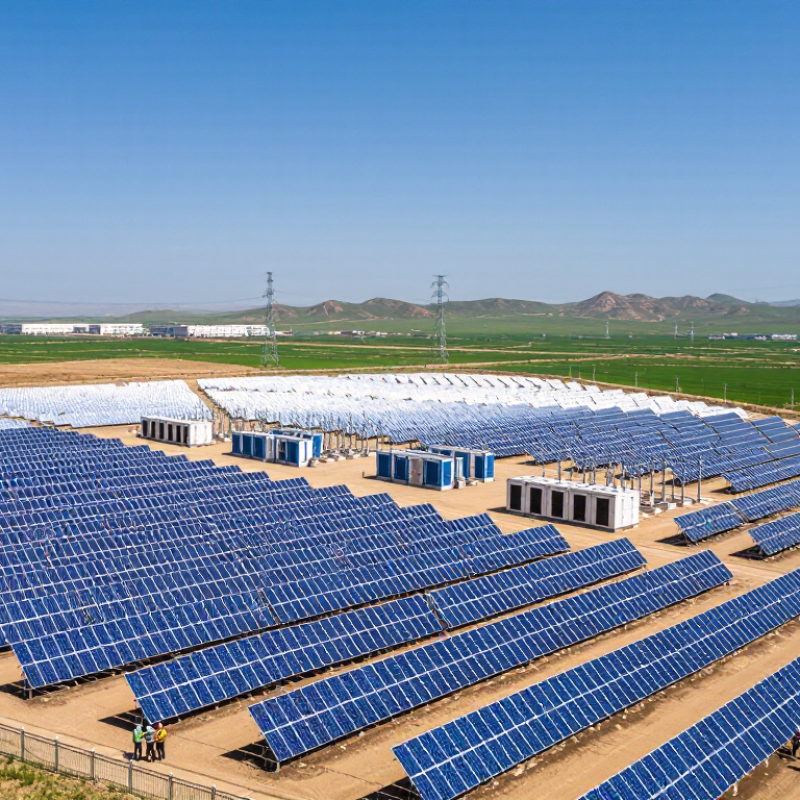
China’s on-grid solar industry connects component makers, system designers, and project installers. A typical system combines solar modules, inverters, mounting structures, cables, and monitoring equipment. Some manufacturers focus on one component; others coordinate several parts for larger projects. The supply chain is broad. Quality still varies.
Before equipment reaches a project, suppliers may check output, insulation, temperature performance, and packaging. Inverters also need suitable grid-protection functions. Requirements differ by destination, so buyers should confirm technical documents and local connection needs rather than assume one configuration fits every site. Small details matter, such as connector compatibility and clear labeling. Planning is rarely perfect; even a sound design can need adjustments after a site survey.
Tips: Compare complete datasheets, not just headline power ratings. Ask for relevant test records, warranty terms, spare-part availability, and commissioning guidance. Check that modules, inverters, and mounting hardware work together. A sample review can reveal confusing labels or missing accessories, but it cannot replace independent verification. Allow time for shipping and site conditions, too. These steps make supplier comparisons more practical and reduce avoidable installation delays.
Evaluating an on-grid solar system manufacturer takes more than comparing quoted prices. Check whether its equipment matches local grid conditions, including voltage, frequency, and required protection settings. Ask for technical datasheets, independent test reports, and clear explanations of how the inverter responds to grid interruptions. Details matter.
Look closely at quality controls and service arrangements. A factory tour or audit can reveal how components are inspected, tracked, and tested before shipment. Ask how warranty claims are handled, who supplies replacement parts, and what response time customers can expect. A long warranty is less reassuring if its exclusions are vague. Ask for evidence. Request references from projects with similar system sizes and climates, then ask about actual output, faults, and repair times.
Review the monitoring platform using a real sample report, not only a sales demonstration. Can it show daily generation, grid outages, and error codes clearly? Also check whether the manufacturer provides installation guidance and practical training for local technicians. A polished brochure can still leave gaps. I would not treat factory scale alone as proof of dependable field support; that distinction is easy to miss.
Suggested evaluation weights (%) for comparing manufacturers. These practical criteria are not company-specific ratings or verified market data.
Prioritize system performance and grid compliance, then assess warranty coverage, relevant certifications, production capacity, and local after-sales support. Adapt the weights to project requirements and verify claims against product documentation and applicable standards.
China’s ten leading on-grid solar system manufacturers are best viewed as a practical shortlist, not a permanent ranking. Their products serve factory rooftops, commercial buildings, and large solar farms. Each project needs reliable grid connection, stable output, and accessible technical support. The label alone proves little. Buyers should check product specifications, quality-control procedures, warranty terms, and the availability of replacement components.
Manufacturers differ in what they supply. Some focus on modules and inverters, while others provide complete system designs and installation support. Ask for test records and project references that match your site’s scale and climate. A system designed for a sunny inland location may need different checks from one installed in a humid coastal area. Details matter. So does after-sales service.
A comparison should include delivery times, monitoring tools, and clear guidance for maintenance. Independent testing can add useful evidence, but no certificate answers every practical question. A polished product sheet is not the same as a dependable operating record. I would also avoid treating a top-ten list as proof that one supplier suits every project. That judgment needs more care. Check assumptions, compare written offers, and confirm who will support the system after it is connected.
Comparing on-grid solar suppliers in China requires more than checking module efficiency or a low quotation. Ask for a single-line system design showing array size, inverter ratings, protection devices, and grid connection assumptions. Request sample performance data and product test reports, then confirm that the documents match the exact model offered. A polished brochure is useful, but it is not proof. Check closely.
Verify capabilities with evidence you can inspect. Ask for a live or recorded factory walkthrough, monthly production capacity, quality-control checkpoints, and serial-number traceability. Review references from projects with similar climate, grid conditions, and system size. Where possible, speak with an installer who handled commissioning, not only the sales contact. Small details matter: cable labels, enclosure finish, and clear wiring diagrams can reveal how carefully a supplier works.
Compare warranty coverage, exclusions, response times, spare-part plans, and post-shipment technical support. Ask how the supplier handles a delayed component or failed inverter, and request the answer in writing. Check whether the proposed equipment meets local grid requirements, supported by documentation from a qualified testing body. Do not treat one factory visit or certificate as conclusive. I would still want consistent records across batches; that extra check can feel slow, but it may expose gaps before installation.