Why Choose Adult Diaper Pants for Global Buyers?

Global demand for adult incontinence products is becoming more visible, practical, and commercially significant. The World Health Organization reports that one in six people worldwide will be aged 60 or older by 2030. By 2050, this population is expected to reach 2.1 billion. These figures point to sustained demand across healthcare, retail, homecare, and institutional purchasing channels.

Grand View Research estimates that the global adult diapers market was valued at approximately USD 17.5 billion in 2023. The report also projects continued growth through 2030, supported by ageing populations, improved awareness, and changing caregiver needs. For global buyers, an Adult Diaper Pant offers more than basic absorption. Its pull-on design resembles ordinary underwear, supporting dignity during walking, sleeping, travel, and assisted care. However, product performance depends on details that buyers can physically test. Check the waistband after several hours. Examine the leg cuffs. Measure leakage protection during movement, not only in a product brochure.

Reliability matters more than impressive claims. Buyers should compare absorbency testing, skin-contact materials, odor control, sizing accuracy, packaging quality, and supply consistency. Independent laboratory results and recognized quality-management systems can strengthen supplier credibility. Yet no product suits every user. A cheaper pant may create higher costs through leakage, returns, laundry, or caregiver time. Sustainability also requires honest review, because disposable products still create environmental pressure. The strongest sourcing decision balances comfort, protection, documentation, and real-world feedback from users and care professionals. That balance is not perfect, but it is measurable.
Why Choose Adult Diaper Pants for Global Buyers?

What Adult Diaper Pants Are and How They Work

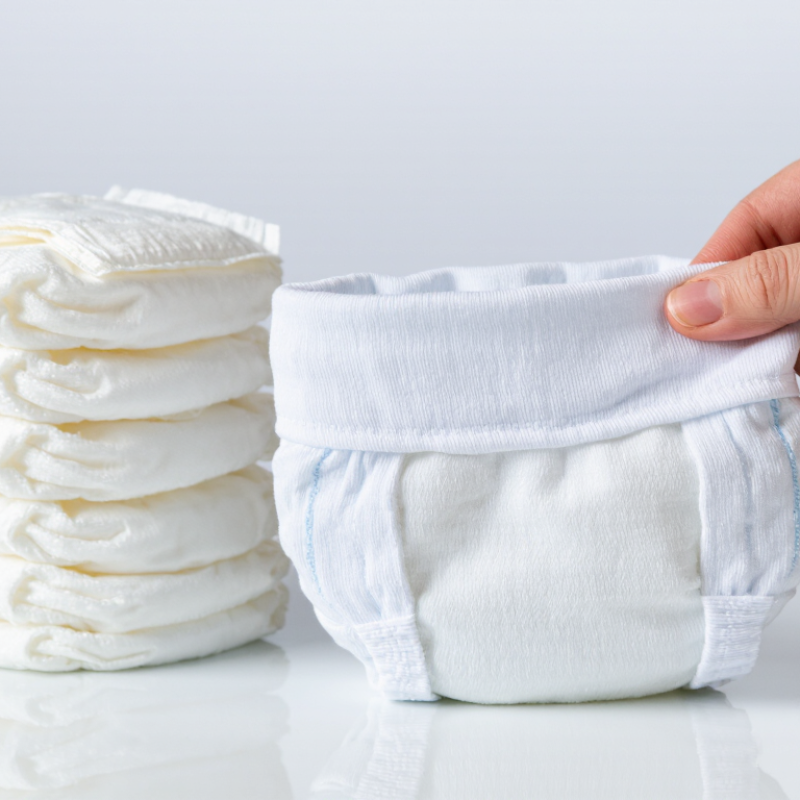
Adult diaper pants are pull-on absorbent underwear designed for urinary or fecal incontinence. They resemble regular briefs, but their internal layers manage fluid differently. The top sheet lets liquid pass quickly. An absorbent core, usually made with cellulose and superabsorbent polymers, captures and holds moisture. The backsheet helps prevent wetness from reaching clothing.

The design is simple, but the mechanism is precise. Fluid moves through the acquisition layer and spreads across the core. Superabsorbent material then turns liquid into a gel, reducing leakage during movement. Elastic leg cuffs create a closer seal, while the waistband supports daily activities. Some products include wetness indicators, but not every market needs them. Fit still matters most. A powerful core cannot compensate for loose leg openings.

Very practical.

The World Health Organization reports that urinary incontinence affects millions of adults worldwide, with risk increasing through ageing and certain health conditions. A 2024 Grand View Research report also identifies rising elderly populations as a major driver of the adult diaper market. These figures explain global demand, but they do not prove every product suits every user. Buyers should compare waist measurements, absorbency levels, skin-contact materials, and wearing duration. In real care settings, changing too late can increase discomfort and skin problems. Changing too often can raise costs and waste. The balance is not perfect, and product instructions should be tested against actual daily use.

Why Choose Adult Diaper Pants for Global Buyers?

What Adult Diaper Pants Are and How They Work

Adult diaper pants are pull-on absorbent underwear designed for adults experiencing urinary or fecal incontinence. They typically combine a breathable outer layer, elastic waist and leg cuffs, an absorbent core, and a leak-barrier layer. Liquid is drawn through the acquisition layer, absorbed by superabsorbent material, and retained in the core while the cuffs help reduce side leakage.

The growing share of older adults is increasing the need for discreet, comfortable, and easy-to-use continence products across global markets. Values shown are rounded estimates based on United Nations global population ageing projections.

Key Benefits for Users, Caregivers, and Healthcare Providers

Why Choose Adult Diaper Pants for Global Buyers?

Adult diaper pants support dignity, mobility, and daily confidence. The World Health Organization reports that one in six people will be aged 60 or older by 2030. Ageing populations will increase demand for practical continence care. Pull-on designs resemble ordinary underwear, helping users dress independently. They also reduce handling during bathroom visits. Still, comfort varies. A secure fit can fail when the waist is too tight.

Caregivers benefit from faster changes and fewer lifting movements. This may reduce stress during home care and assisted living routines. Healthcare providers can assess absorbency, leakage protection, skin comfort, and usage costs. ISO 11948-1 offers a standardized method for comparing liquid absorption capacity. However, laboratory results cannot predict every user’s experience. Body shape, movement, fluid intake, and skin sensitivity matter. The National Institute of Diabetes and Digestive and Kidney Diseases notes that urinary incontinence affects many adults, making individualized support essential.

Tips: Measure the waist and hip area before ordering. Choose a size that stays flat without red marks. Check absorbency for daytime or overnight use. Change promptly after heavy wetting. Inspect the skin each time. If irritation persists, seek clinical advice. No product is perfect. Global buyers should request test data, material details, and clear care guidance before purchasing.

How to Choose the Right Adult Diaper Pants

Choosing the right adult diaper pants starts with the wearer, not the packaging. Consider waist size, body shape, mobility, and expected usage time. Measure the waist and hips, then follow the larger measurement when between sizes. A tight waistband may cause pressure marks. A loose fit may allow leakage during movement.

Absorbency should match the user’s routine. Daytime wear often needs a slimmer design for walking and changing. Overnight use may require a higher-capacity core and better side protection. Check whether the product uses breathable materials, flexible leg gathers, and a secure waistband. Softness matters. So does noise.

Not every “high absorbency” claim means the same thing. Ask suppliers for test methods, capacity data, material details, and quality-control records. Independent testing is more dependable than a short sales description. For global buyers, confirm carton dimensions, labeling requirements, language needs, and export documentation before ordering. Samples should be tested in real situations, including sitting, standing, and sleeping.

I have learned that comfort is easy to underestimate. A product can absorb well but still feel bulky. Small sizing differences can change the whole experience. Check skin comfort after several hours, and record feedback from different users. Review the fit again after washing hands, walking, or bending. The first choice may be wrong. That is useful information.

Important Product Features for Global Buyers

Global buyers need more than a low unit price when choosing adult diaper pants. Product performance directly affects comfort, dignity, and repeat purchasing. The United Nations World Social Report 2023 states that the global population aged 65 and above may reach 1.6 billion by 2050. This demographic shift increases demand for dependable incontinence products across different climates and care settings. Fit matters.

Important features include tested absorbency, rapid fluid distribution, and reliable leakage protection. Buyers should request laboratory results, not rely only on marketing claims. ISO 11948-1 provides a recognized method for measuring liquid absorption in disposable incontinence products. Breathable materials can reduce heat and moisture buildup. Soft waistbands and flexible side panels support movement without excessive pressure. A clear wetness indicator can help caregivers change products at the right time. Odor control is useful, but it should not replace proper absorbency testing.

Sizing accuracy is often underestimated. A poorly fitted pant can leak even when its core performs well. Packaging should protect products from humidity during long-distance shipping. Compact packing also lowers storage and transport costs. According to Grand View Research’s 2024 market analysis, the adult diapers market is expanding steadily, although market estimates vary by research method. That difference deserves attention. Global buyers should compare sample results, material specifications, carton strength, and after-use feedback. A product may look excellent in a brochure, yet feel uncomfortable after several hours. Practical trials remain necessary.

Why Choose Adult Diaper Pants for Global Buyers? - Important Product Features for Global Buyers

Product Feature Typical Commercial Data Value for Global Buyers Recommended Verification
Product Format Pull-on pant design with elastic waist and leg openings Supports independent changing and a closer fit than many traditional tab-style products Check standing, sitting, and walking fit through user trials
Common Size Range Typical waist or hip ranges: M 80–110 cm, L 100–140 cm, XL 120–160 cm; actual ranges vary by specification Makes it easier to develop a size assortment for different markets Confirm waist and hip measurements, size tolerance, and size-chart labeling
Absorbent Core Fluff pulp combined with superabsorbent polymer (SAP), supported by acquisition and distribution layers Balances liquid absorption, product thickness, comfort, and transport cost Request core weight, SAP ratio, absorbency test method, and rewet results
Absorbency Level Usually classified by suppliers as light, moderate, heavy, or overnight; no single global classification applies Allows importers to match products with daytime, nighttime, or heavier incontinence needs Compare laboratory results using the same test procedure, such as ISO 11948-1 where applicable
Leak Protection Elastic leg cuffs, raised inner barriers, leak guards, and a contoured absorbent core Reduces leakage risk during movement and improves user confidence Evaluate leakage during movement, overnight wear, and different body positions
Breathable Backsheet Breathable nonwoven or polyethylene-based backsheet; some products use a cloth-like outer layer Can improve comfort and help reduce heat and moisture buildup Check moisture-vapor transmission, noise level, softness, and skin-contact test results
Stretch and Fit Elastic waistbands and side panels are commonly designed for multi-directional stretch Improves mobility, fit consistency, and comfort across different body shapes Measure stretch recovery, waistband pressure, leg-opening fit, and seam strength
Tear-Away Seams Many adult diaper pants include tearable side seams for quick removal Useful for caregivers and users who need to change while seated or lying down Check opening force, accidental tearing risk, and disposal convenience
Odor Management May use odor-control materials or odor-neutralizing treatment; performance varies by formulation Can improve discreet use in homes, care facilities, and public settings Request odor-control test data and review fragrance-free options for sensitive users
Skin-Friendliness Common requirements include soft topsheet, low-lint materials, and no unnecessary fragrances or lotions Supports longer wearing time and reduces potential irritation concerns Review skin-contact safety documentation, pH, extractables, and dermatological test reports
Product Weight Often approximately 55–100 g per piece, depending on size, absorbency, and construction Affects freight cost, carton efficiency, storage capacity, and perceived product thickness Confirm average weight, tolerance, pieces per carton, and shipping volume
Packaging Configuration Common retail packs contain approximately 10–18 pieces; carton configuration depends on size and pack count Supports flexible retail, e-commerce, healthcare, and institutional distribution Check pack dimensions, carton gross weight, pallet loading, barcode, and language requirements
Quality and Compliance Relevant evaluation may include ISO 11948-1, ISO 15621, chemical safety, packaging, and destination-market requirements Reduces customs, regulatory, quality, and product-liability risks Confirm the applicable rules of the destination country before purchase and labeling
Sustainability Considerations Material reduction, efficient packaging, certified pulp, and responsible disposal guidance may be evaluated Helps meet retailer policies, public procurement criteria, and consumer sustainability expectations Request material declarations, packaging composition, certification scope, and disposal instructions

Note: Product specifications vary by size, absorbency category, construction, and destination-market requirements. Buyers should compare products using consistent test methods and verified technical documents.

Sourcing, Quality, and Compliance Considerations for Importers

Why Choose Adult Diaper Pants for Global Buyers?

For global buyers, adult diaper pants offer easier handling, discreet wear, and familiar retail positioning. The market is expanding, but supplier selection remains difficult. Grand View Research estimated the global adult diapers market at approximately USD 19 billion in 2023, with continued growth expected through 2030. Demand alone does not guarantee a reliable shipment.

Sourcing should begin with measurable specifications. Request absorbency results using ISO 11948-1, plus rewet, leakage, tensile strength, and skin-contact material details. Ask for samples from the actual production line. A polished sample may hide inconsistent elastic tension or uneven core distribution. Small defects matter during overnight use. They also create costly returns.

Compliance needs local review. Product labels should state size, materials, usage instructions, importer details, and disposal guidance in the required language. Medical claims can trigger stricter rules than ordinary hygiene claims. In the European Union, importers should examine the General Product Safety Regulation and chemical restrictions, including REACH requirements. Testing should cover microbiological safety and restricted substances when applicable.

Intertek’s 2024 consumer product testing guidance stresses traceability, documented quality controls, and risk-based verification. Paperwork is not enough. Factory audits, batch records, and pre-shipment inspections provide stronger evidence. A low unit price still looks attractive. It can be a false economy. Even experienced buyers sometimes undercheck packaging durability, especially in humid sea freight. That mistake deserves more attention.

Go to Top