2026 Best Aluminum Tube Extrusions for Global Buyers

Global buyers are entering a more demanding aluminum market. The U.S. Geological Survey reported approximately 72 million metric tons of primary aluminum production worldwide in 2024. Demand remains strong across transport, construction, solar systems, and industrial equipment. Yet volume alone does not guarantee a reliable purchase.

Aluminum Tube Extrusions must be judged by alloy, temper, wall thickness, dimensional tolerance, surface finish, and mill capability. The Aluminum Association’s standards help buyers compare specifications more consistently. The International Aluminium Institute also reports that recycling aluminum can require about 95% less energy than primary production. That difference matters when suppliers disclose recycled content and carbon data.

Chuck Johnson, President and CEO of The Aluminum Association, has stated, “Aluminum is essential to a sustainable future.” His point is practical. A lighter tube can reduce handling weight, transport loads, and energy use during service. However, these benefits depend on design quality and verified manufacturing controls.

This guide examines the 2026 market with a buyer’s perspective. It considers extrusion capacity, certifications, lead times, alloy availability, packaging, and after-sales support. Small details matter. A scratched tube can delay assembly. An unclear tolerance can create costly rework.

The market is not perfectly transparent. Supplier claims sometimes vary. Country-level production data also changes between reports. Buyers should verify certificates, test results, and sample dimensions before signing large contracts. The best Aluminum Tube Extrusions supplier is not always the cheapest. It is the one that delivers repeatable quality, honest documentation, and practical communication across borders.
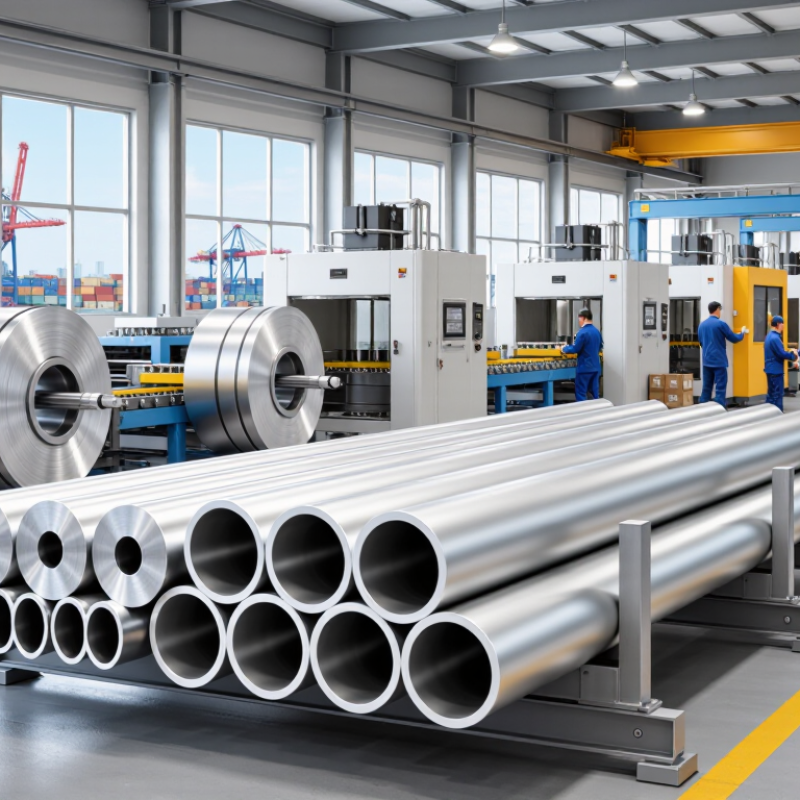
2026 Best Aluminum Tube Extrusions for Global Buyers

What Aluminum Tube Extrusions Are and How They Are Used

Aluminum tube extrusions are hollow profiles formed by pushing heated aluminum billet through a shaped die. The die defines the outside and inside geometry in one continuous operation. Unlike welded tube, an extrusion can create complex cross-sections, integrated channels, and mounting lips. It looks simple. Wall thickness, corner radius, and straightness still require careful control. Common alloys offer different balances of strength, corrosion resistance, machinability, and weight. Temper changes performance after extrusion.

In practice, these tubes appear in solar mounting frames, machine guards, heat-transfer assemblies, furniture structures, transport components, and lightweight enclosures. Their hollow design reduces mass while retaining useful bending stiffness. Internal passages can carry air, wiring, or cooling fluid when the profile is designed for that purpose. Engineers should check pressure, sealing, and cleaning requirements rather than assume every tube is suitable. A thin wall may save material, but it can deform during cutting or fastening. Small errors matter.

For global purchasing, I compare alloy, temper, dimensions, tolerance, surface finish, cut length, packaging, and inspection records. A reliable supplier should provide drawings, test data, and clear production limits. Samples reveal issues that a spreadsheet misses, especially burrs, twist, die lines, and inconsistent holes. I have learned that “standard size” is not always standard across markets. This is worth checking. Buyers should also confirm technical standards, destination requirements, and corrosion exposure before approving a large order. Some specifications remain unclear until the first trial assembly. That is an uncomfortable, but useful, lesson.

Key Alloys, Profiles, Dimensions, and Performance Characteristics

2026 Best Aluminum Tube Extrusions for Global Buyers

Choosing aluminum tube extrusions requires more than comparing price per kilogram. Alloy selection affects strength, corrosion resistance, weight, and machining performance. The 6063 alloy suits architectural frames and visible surfaces because it extrudes smoothly. For heavier structural duties, 6061 or 6082 usually offers higher strength. Temper matters too. T5 and T6 conditions can change load capacity significantly.

Profiles should match the actual assembly. Round tubes work well for fluid lines and handrails, while square and rectangular tubes support frames and guards. T-slot profiles simplify adjustable machinery structures. Confirm outside dimensions, wall thickness, cut length, and dimensional tolerances before ordering. A 40 × 40 mm tube with a 2 mm wall may look similar to one with 3 mm, but its stiffness differs noticeably. Small details matter.

Tips: Request alloy, temper, tolerance, and surface-finish records. Check sample tubes with calipers, not visual judgment. Ask for mill certificates and independent testing when the application is safety-sensitive. Anodizing can improve surface durability, but it does not correct weak design or poor wall thickness. Consider thermal expansion in long assemblies. It is often overlooked. A perfect specification is rare; review the first production batch and adjust tolerances when real assembly feedback exposes problems.

How to Evaluate Aluminum Tube Extrusions for Different Applications

2026 Best Aluminum Tube Extrusions for Global Buyers

How to Evaluate Aluminum Tube Extrusions for Different Applications

Choosing an aluminum tube starts with the load, not the catalog photograph. Measure pressure, span, vibration, temperature, and connection forces. A thin decorative tube may fail quickly in a structural frame. For general forming and clean anodizing, 6063 alloy is often practical. For higher strength, 6061 or 6005A may be more suitable. Confirm the temper, because T5 and T6 can change strength, machinability, and bending behavior.

Demand written evidence. Ask for chemical composition, tensile results, dimensional inspection, and surface-finish records. ASTM B221 and EN 755 provide useful references for extrusion dimensions and mechanical requirements.

Tolerance still needs attention. A tube that fits on paper may bind after coating. Check outside diameter, wall thickness, straightness, corner radius, and cut length. Small errors become expensive across thousands of assemblies.

Corrosion exposure matters. Marine air, road salt, and cleaning chemicals require careful alloy and finish selection. Anodizing can improve surface durability, but it does not repair poor extrusion quality.

The International Aluminium Institute reports that recycled aluminum uses roughly 95% less energy than primary aluminum, supporting recycled-content evaluation when performance allows.

Yet recycled content should be verified through supplier records, not assumed from a low price. A perfect tube rarely exists. I would test a small production batch before approving global volume, especially when drawings, tooling, or local standards remain unclear.

Extrusion Methods, Surface Finishes, and Quality Standards

2026 Best Aluminum Tube Extrusions for Global Buyers

Extrusion method shapes strength, tolerance, and cost. Direct extrusion pushes a heated billet through a die, creating consistent tube profiles. For thin walls or complex hollows, porthole extrusion can improve productivity, but weld lines require careful inspection. Cold drawing can tighten dimensions after extrusion, although it adds processing time and cost.

Surface finish should match the working environment. Mill finish suits hidden frames and protected interiors. Anodizing creates a harder oxide layer for façades, handrails, and humid areas. ISO 7599 defines key anodizing requirements, including appearance and coating thickness.

Powder coating offers broad color choices, but poor pretreatment may cause peeling near cut edges. The U.S. Department of Energy reports that recycled aluminum uses about 95% less energy than primary production. That figure makes recycled-content verification worth requesting, not merely accepting.

Tips: Ask for ASTM B221/B221M or EN 755-9 compliance, depending on the destination market. Request dimensional reports, alloy certificates, surface-thickness readings, and batch traceability. A small sample should reveal scratches, die lines, weld marks, and corner distortion. I have seen attractive samples fail after machining. Buyers should also confirm temper, straightness, and packaging protection. ISO references improve communication, but they do not replace independent testing.

Sometimes the cheapest quotation hides the most expensive rework.

Global Sourcing, Certifications, Shipping, and Supplier Selection

2026 Best Aluminum Tube Extrusions for Global Buyers

Global sourcing begins with the application, not the lowest quotation. Define alloy, temper, diameter, wall thickness, length, and surface finish before contacting suppliers. A clear drawing prevents costly interpretation errors. Request production samples cut to your actual dimensions. Samples reveal problems. Check straightness, weld quality, surface marks, and dimensional consistency under normal inspection conditions.

Certifications should match the destination market and project requirements. Ask for material certificates, mechanical test results, and a documented quality system such as ISO 9001. For regulated applications, verify applicable standards and chemical compliance, including RoHS or REACH where relevant. Do not accept certificates without traceable batch numbers. Shipping also needs practical review. Confirm Incoterms, packaging strength, moisture protection, loading photographs, and estimated transit time. Long tubes may need reinforced crates or special handling. Details matter.

Supplier selection requires more than a polished website. Review extrusion press capacity, die-making control, inspection equipment, and experience with export packaging. Request a sample inspection report and a realistic production schedule. Confirm how the supplier handles nonconforming products and replacement claims. I have seen buyers focus on unit price, then lose money through damaged bundles and delayed tooling. No checklist is flawless. Exchange rates, port congestion, and tolerance disputes can still change the result. Keep written approvals for drawings, samples, packaging, and shipment documents. That record supports accountability when expectations differ across borders.

Go to Top