China Best Cosmetic Grade Beta Arbutin Powder Supplier?

Choosing the China Best Cosmetic Grade Beta Arbutin Powder Supplier requires more than comparing prices or reading polished product pages. Buyers need evidence that connects the powder’s identity, purity, and performance. A reliable supplier should provide a current Certificate of Analysis, HPLC results, microbiological testing, heavy-metal limits, and batch traceability. Clear manufacturing details matter too.

Cosmetic chemist Perry Romanowski offers a practical industry view: “A supplier is only as reliable as its documentation, testing, and consistency.” This principle is especially important for Cosmetic Grade Beta Arbutin Powder. A stable white powder may look acceptable, yet appearance alone cannot confirm active content or storage history. Professional suppliers should explain production controls, packaging materials, shelf life, and recommended storage conditions. Independent laboratory verification adds another layer of confidence.

China has many capable manufacturers, but quality is not automatically consistent across every factory. That deserves attention. A strong supplier should answer technical questions directly and provide samples before large orders. Buyers can compare test data, communication speed, factory qualifications, and long-term batch stability. GMP-aligned practices and ISO-based quality systems may strengthen credibility, but certificates should be checked carefully.

There is no perfect shortcut.

Even experienced buyers can overlook formulation compatibility, especially when combining beta arbutin with acidic ingredients or unstable packaging. A thoughtful sourcing process therefore examines both raw material quality and finished-product performance. This introduction will explore supplier selection, verification methods, pricing factors, and practical questions for identifying dependable Cosmetic Grade Beta Arbutin Powder partners in China.
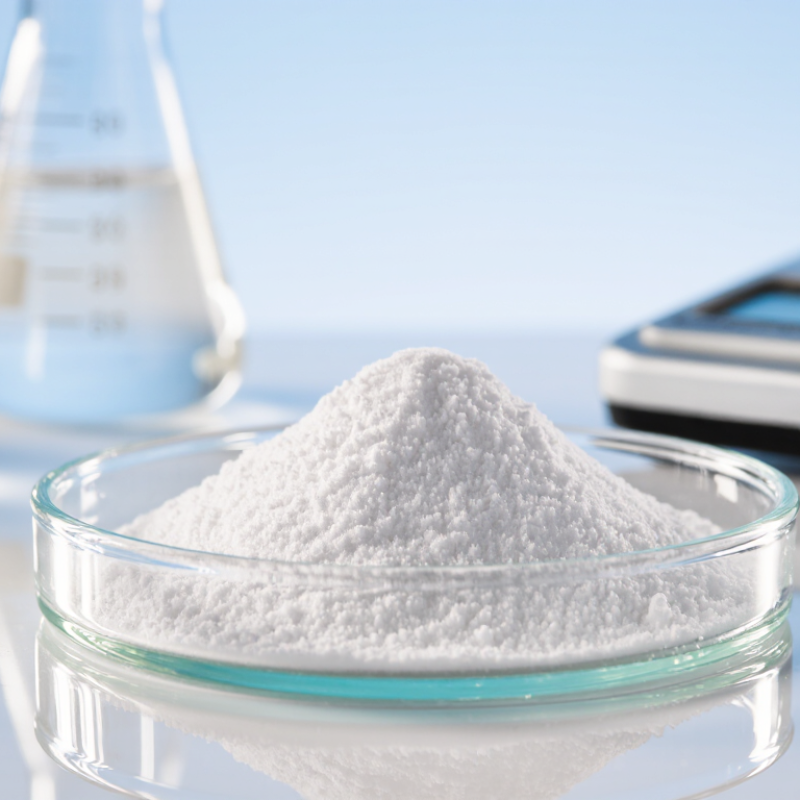
China Best Cosmetic Grade Beta Arbutin Powder Supplier?

What Is Cosmetic-Grade Beta Arbutin Powder?

What Is Cosmetic-Grade Beta Arbutin Powder?

Cosmetic-grade beta arbutin powder is a refined ingredient used in skincare formulas for uneven-looking skin tone. It is a glycosylated compound related to hydroquinone, but it is not the same ingredient. In a formula, beta arbutin can help reduce the appearance of excess pigmentation by supporting the regulation of tyrosinase activity. Results depend on concentration, pH, packaging, and consistent use.

“Cosmetic grade” should mean more than a clean, white powder. Responsible suppliers should provide an identity test, assay result, microbiological data, heavy-metal limits, safety documentation, and batch traceability. The powder should arrive in sealed, moisture-resistant packaging. Heat, light, and humidity may affect its stability. A clear appearance is useful, but it does not prove quality. This is where careful verification matters. I would not trust a low price without complete testing records.

Tips: Store beta arbutin in a cool, dry, dark area. Follow the supplier’s recommended formulation range and dissolution method. Check the final product’s pH and compatibility before production. Small pilot batches can reveal unexpected color or texture changes. Patch testing is also sensible, although it cannot predict every reaction. Formulators should review current cosmetic regulations in each target market, because permitted use conditions may differ.

How Beta Arbutin Works in Skin Brightening Formulas

How Beta Arbutin Works in Skin Brightening Formulas

Beta arbutin is a glycosylated hydroquinone derivative used to moderate uneven pigmentation. It competes with tyrosine at tyrosinase, a key enzyme in melanin production. The molecule acts more gradually than direct bleaching agents. In practical formulas, that means patience matters. Visible changes often require several skin-renewal cycles, not overnight results. A 2023 European Scientific Committee on Consumer Safety assessment examined beta-arbutin exposure scenarios up to 7% in face creams. This figure is not a universal formulation target. Product safety still depends on purity, exposure, packaging, and the complete ingredient system.

A reliable cosmetic-grade supplier should provide HPLC assay results, residual hydroquinone data, microbiological limits, and heavy-metal testing. Ask for batch-specific certificates, not generic paperwork. Beta arbutin also needs protection from excessive heat, light, and moisture during storage. In a laboratory setting, formulators commonly screen pH, preservative compatibility, and color drift through accelerated stability testing. A 2024 skin-care market report from Grand View Research reported continued growth in brightening-product demand, but market growth does not prove clinical performance. That distinction is easy to miss. The formula must also support barrier comfort, because irritation can worsen the appearance of discoloration. Human results vary with skin type, ultraviolet exposure, dosage, and adherence. Supplier selection should therefore combine analytical evidence with real stability data and controlled user testing.

China Best Cosmetic Grade Beta Arbutin Powder Supplier? - How Beta Arbutin Works in Skin Brightening Formulas

Data Dimension Reference Item Verified Technical Information Formulation or Purchasing Relevance
Ingredient identity INCI name Beta-Arbutin Confirm that the specification refers specifically to beta-arbutin and not alpha-arbutin.
Chemical identification CAS Registry Number 497-76-7 Useful for distinguishing beta-arbutin during regulatory, purchasing, and laboratory review.
Chemical identification Molecular formula C12H16O7 Provides a basic identity check against technical documents and certificates of analysis.
Chemical identification Relative molecular mass 272.25 g/mol Supports identity verification and analytical method development.
Chemical class Compound type A hydroquinone β-D-glucopyranoside; a glycosylated phenolic compound Its sugar moiety contributes to water compatibility compared with free hydroquinone.
Physical appearance Typical commercial form White to off-white crystalline powder Color, odor, caking, and foreign particles should be checked against the agreed specification.
Solubility Water compatibility Soluble in water; practical solubility depends on temperature, concentration, and formulation composition. Pre-dissolve in the aqueous phase and verify clarity at the intended use level.
Skin-brightening mechanism Primary biological action Beta-arbutin can competitively inhibit tyrosinase, an enzyme involved in melanin biosynthesis. May help reduce the appearance of uneven pigmentation when used consistently in a suitable formula.
Melanin pathway Targeted process Tyrosinase participates in the conversion of tyrosine to intermediates involved in melanin formation. The ingredient is generally positioned as a tone-evening or brightening active, not as a bleaching agent.
Typical formulation level Common development range Approximately 0.5–2% is commonly explored during cosmetic formulation development. The final level should be based on efficacy, stability, safety assessment, and the regulations of the target market.
Recommended pH Formulation environment A mildly acidic to near-neutral system, often around pH 3.5–6.5, is commonly evaluated for stability. Conduct stability testing because the optimum pH depends on the complete formula and packaging.
Stability considerations Degradation risks Strong acid or alkaline conditions, excessive heat, moisture, oxygen, and prolonged light exposure may affect stability. Use controlled processing, suitable antioxidants where justified, light-protective packaging, and accelerated stability testing.
Compatibility Common formula formats Suitable for evaluation in water-based serums, lotions, creams, gels, and masks. Check compatibility with exfoliating acids, oxidizing ingredients, preservatives, fragrances, and metallic impurities.
Quality documentation Supplier qualification documents Request a current certificate of analysis, specification sheet, safety data sheet, batch number, manufacturing date, and retest or expiry information. Documents should correspond to the exact production batch being purchased.
Analytical testing Recommended verification Identity and assay may be assessed using validated chromatographic methods such as HPLC, together with moisture and microbiological testing where applicable. Independent testing helps confirm identity, purity, batch consistency, and suitability for cosmetic use.
Storage Recommended conditions Store tightly sealed in a cool, dry, well-ventilated place and protect from direct light and moisture. Use the supplier’s validated storage instructions and reseal the package promptly after opening.
Technical note: Cosmetic performance depends on concentration, skin condition, delivery system, formula stability, packaging, and consistent use. Regulatory limits and permissible claims vary by market and should be verified before commercialization.

Key Quality Standards for Cosmetic-Grade Beta Arbutin

For buyers asking, “China Best Cosmetic Grade Beta Arbutin Powder Supplier?” quality evidence matters more than location. Cosmetic-grade beta arbutin should have a defined assay, identity, and impurity profile. Request an HPLC chromatogram, not only a specification sheet. Many commercial specifications set assay at 98% or higher. However, the method and acceptance range must be stated. Check water content, residue on ignition, residual solvents, and hydroquinone. Hydroquinone deserves special attention because beta arbutin can degrade under stress. The SCCS Final Opinion on beta-arbutin, published in 2023, assessed hydroquinone exposure and considered levels up to 7% in face creams. That is safety context, not universal formulation permission.

Microbiology must be documented by batch. ISO 17516 guidance commonly uses 1,000 CFU/g or mL for general cosmetics and 100 for eye-area products. Limits can vary by product risk. Ask for pathogen testing, heavy-metal results, allergen statements, and residual-solvent data. Stability evidence should include heat, humidity, light, and container compatibility. In real purchasing work, retain samples from each lot and compare HPLC purity, color, odor, and dissolution. A clean white powder is not proof of identity. Neither is a polished certificate. Supplier audits should review traceability, calibrated instruments, change control, and deviation records. I would request three consecutive batch reports before approval. This is slower, but it exposes variability. Public reports rarely reveal supplier-level failure rates, so buyers must build that evidence through incoming testing and periodic review.

China Best Cosmetic Grade Beta Arbutin Powder Supplier? - Key Quality Standards for Cosmetic-Grade Beta Arbutin

The chart presents commonly used cosmetic-grade beta arbutin specification benchmarks. Assay is generally set as a minimum value, while moisture, heavy metals, lead, and arsenic are controlled below maximum limits. pH is typically evaluated within a defined range. Exact requirements should be confirmed through the supplier’s current specification sheet, certificate of analysis, and applicable regional regulations.

How to Evaluate a Reliable China-Based Supplier

A reliable China-based beta arbutin powder supplier should be judged by evidence, not polished product pages. Market reports estimate the global skin-lightening products market exceeded USD 9 billion in 2023, although published figures vary by methodology. That scale attracts both experienced manufacturers and weak intermediaries. Be cautious.

Request a recent certificate of analysis for each batch. It should show assay, moisture, microbiological results, heavy metals, residual solvents, and test methods. HPLC data matters because a bright white powder can still contain impurities. Ask for the original manufacturer’s name, production address, batch number, and retain-sample policy. A supplier that avoids these details is difficult to audit.

ISO 22716 provides cosmetic GMP guidance, while the ISO Survey 2023 recorded more than one million ISO 9001 certificates worldwide. Certification helps, but it does not replace a factory assessment. Check whether the certificate matches the actual site and product scope. Review packaging photographs closely: sealed inner liners, desiccants, tamper evidence, and clear labels should be visible. Request a small sample, then compare its color, odor, solubility, and laboratory results with the supplied documents. My own concern is often communication speed; fast replies can hide slow corrective action. Ask how they handle an out-of-specification batch, and record every answer in writing.

Packaging, Storage, and Safe Use of Beta Arbutin Powder

When sourcing cosmetic-grade beta arbutin powder from China, packaging deserves close attention. A reliable supplier should use a sealed inner bag inside a rigid, light-resistant container. The label should show the product name, batch number, net weight, manufacturing date, and retest date. A certificate of analysis and safety data sheet should accompany each batch.

Small details matter.

Keep the powder in a cool, dry place away from direct sunlight. A practical range is usually 15–25°C, unless the supplier’s specification states otherwise. Close the container immediately after weighing.

Moisture and repeated air exposure may affect powder quality.

Use clean, dry tools, gloves, protective eyewear, and suitable dust control. Do not inhale the powder.

Avoid eating or drinking during handling.

For formulation, follow the supplier’s recommended use level, dissolution method, and pH range. Add the powder gradually to a compatible water phase, then check clarity and stability.

Patch testing remains important, even with a well-documented ingredient. Skin may react unexpectedly.

One weakness in many handling procedures is poor recordkeeping. Record the batch, weighing date, formula percentage, and storage conditions.

Keep unused material sealed.

Never rely only on appearance; a clean-looking powder can still require quality verification.

Go to Top