How to Choose the Best Heparin Tubes From China?
Choosing the best Heparin Tubes from China requires more than comparing prices or reviewing attractive product photos. These tubes influence specimen quality, laboratory workflow, and patient-related testing decisions. A reliable evaluation should examine tube material, heparin type, additive concentration, fill volume, sterility, and compatibility with centrifuges and analyzers. Small details matter. A loose cap or unclear label can create avoidable laboratory problems.
Experienced buyers usually request complete technical documentation before placing an order. This may include product specifications, certificates, batch records, stability data, and quality-control procedures. It is also useful to inspect the manufacturer’s production environment, packaging process, and traceability system. Ask whether the supplier performs leakage tests, vacuum checks, and additive uniformity inspections. A professional manufacturer should answer clearly, not hide behind general claims.
Supplier communication can reveal practical reliability. Can the team explain the difference between lithium heparin and sodium heparin? Can they provide samples from the intended production line? Do they understand your required tube size, blood volume, packaging method, and destination regulations? These questions deserve written answers.
No supplier is perfect.
Even a well-established factory may experience delays, packaging errors, or communication gaps. That possibility should not be ignored. A careful buyer compares sample performance with mass-production commitments and confirms corrective-action procedures in advance. Independent testing may also be worthwhile for high-volume or specialized applications. The best choice is not always the cheapest Heparin Tubes supplier. It is the supplier that combines consistent quality, transparent evidence, responsive service, and realistic delivery capability. Careful verification protects both laboratory efficiency and long-term purchasing decisions.
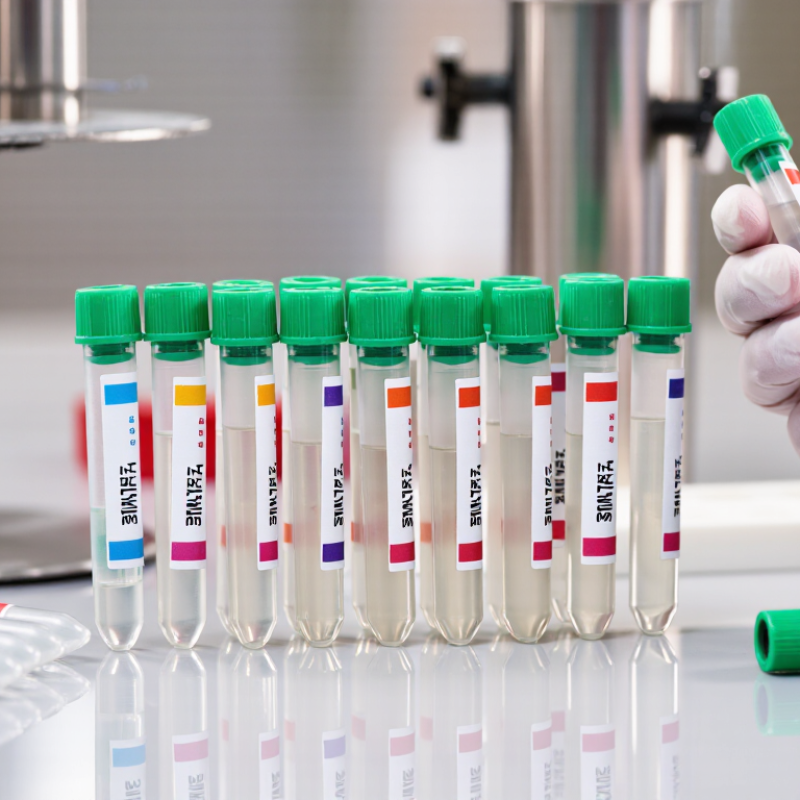
Define Heparin Tube Types Under ISO 6710: Lithium, Sodium, and Ammonium
How to Choose the Best Heparin Tubes From China?
Under ISO 6710, heparin tubes should support safe, consistent venous blood collection. The standard focuses on container performance, materials, closure integrity, labeling, and specimen protection. It does not make every tube suitable for every test. That detail matters.
Lithium heparin is widely used for plasma chemistry. It generally avoids adding sodium to the specimen, which can matter during electrolyte testing. Sodium heparin may suit selected chemistry, trace-element, or blood-gas procedures, but the laboratory should check possible sodium effects. Ammonium heparin requires greater caution. It may interfere with ammonia-related measurements or other metabolic tests. Always compare the tube additive with the test method.
When sourcing from China, request evidence of ISO 6710 conformity and batch-level quality records. Review heparin concentration, tube volume, vacuum accuracy, wall material, stopper performance, and expiry controls. A clear certificate is useful, but it is not enough. Inspect sample tubes and perform local validation with real instruments. Check clot formation, hemolysis, plasma appearance, and result bias after centrifugation.
Small details expose weak quality. Tubes should fill smoothly and invert gently without foaming. Poor mixing can leave microclots. Excessive mixing can damage cells. Transport simulation is also worth testing, especially under temperature changes. One practical mistake is choosing only by price or color. Color coding helps, but it never replaces additive verification. The best choice may change with your analyzer, specimen volume, and clinical workflow.
Match Tube Volume and Additive Levels: 2–10 mL Draws and 17–23 IU/mL
Choosing heparin tubes from China starts with the draw volume, not the label. Common plasma tubes support 2–10 mL collections, but additive performance must match the intended blood volume. A target of 17–23 IU/mL is widely used for plasma chemistry applications. Therefore, a 2 mL draw needs about 34–46 IU, while a 10 mL draw needs about 170–230 IU. Excess heparin may affect some assays. Too little may increase microclot risk.
CLSI GP41, 7th edition, stresses correct tube filling, mixing, and specimen handling. ISO 6710:2017 also emphasizes uniform evacuated blood-collection tube performance. These standards do not make 17–23 IU/mL a universal legal requirement. Treat it as a practical specification, then confirm laboratory validation data. Ask suppliers for fill-volume tolerance, heparin uniformity, sterility results, centrifugation guidance, and stability records. In real purchasing, the stated volume can look precise. It may not be.
Tips: Compare nominal and tested heparin levels. Check 2, 3, 4, 5, and 10 mL options separately. Confirm whether the IU value is measured per millilitre of blood or per tube. Request a certificate of analysis from each production lot. Run parallel samples on your chemistry platform before approval. A small evaluation can reveal hemolysis, clotting, or unexpected electrolyte bias.
Audit Chinese Manufacturers for ISO 13485, CE, NMPA, and Batch Traceability
How to Choose the Best Heparin Tubes From China?
Audit Chinese Manufacturers for ISO 13485, CE, NMPA, and Batch Traceability
In a supplier audit, begin with the ISO 13485 certificate and its issuing body. Check the certificate number, validity dates, manufacturing site, and product scope. The scope should cover blood collection tubes or related in vitro diagnostic products. ISO 13485 alone is not enough. Inspect the quality manual, complaint records, corrective actions, and training files. Ask to see controlled procedures, not only polished presentations.
For CE compliance, confirm the applicable regulatory route and technical documentation for your target market. Review risk management, biological evaluation, performance data, labeling, and post-market procedures. For NMPA access, verify the product’s registration or filing status, approved specifications, Chinese labels, and responsible legal entity. Documents should match the exact tube type, additive concentration, volume, and intended use. Do not accept generic certificates.
Batch traceability must work on the factory floor. Ask staff to trace one carton back to raw materials, equipment, operators, sterilization records, and release testing. Then request the reverse search: identify every shipment from one production batch. Examine printed labels, electronic records, and retention samples. A practical test is useful. Pick a random lot number during the audit.
A checklist is never perfect. It can miss small but important gaps. I would also compare inspection records with actual production behavior. If operators use handwritten notes beside an inactive system, investigate further. Clear evidence matters more than confident answers. Review one recent deviation and watch how the manufacturer closes it.
China Heparin Tube Supplier Audit: Evidence Checkpoints by Compliance Area
A practical pre-qualification checklist for reviewing ISO 13485, CE, NMPA, and batch-traceability evidence.
The bars count objective records to verify during an audit, not manufacturer scores or market statistics. Checklist areas reflect commonly reviewed evidence for ISO 13485:2016 quality systems, EU IVDR CE conformity, China NMPA registration, and lot-level traceability. Some documents may vary by product classification, intended use, and whether the tubes are sterile.
Compare Sterility, Shelf Life, Packaging, MOQ, and Cost per 1,000 Tubes
Choosing heparin tubes from China requires more than comparing the unit price. Sterility should be verified through batch records, sterilization methods, and independent testing where appropriate. Ask for the sterility level, production date, and expiry date before approval. A longer shelf life can reduce waste, but only when storage conditions are clearly documented.
Packaging needs close inspection. Tubes should arrive sealed, protected from moisture, and separated to prevent cracked caps or scratched labels. I would request photos of inner boxes, outer cartons, and pallet loading. Small details matter. Shelf life may appear attractive, yet poor packaging can damage usable stock during transport. This is easy to underestimate.
MOQ directly affects cash flow. A lower MOQ may suit trial orders, while larger quantities can reduce production and shipping costs. Compare the complete cost per 1,000 tubes, including packaging, freight, inspection, and possible rejected units. One quotation may exclude several charges. I have seen low prices become expensive after freight was added. That mistake is worth remembering. Ask for samples from the intended production line, not only showroom samples. Review tube volume, additive distribution, vacuum performance, labeling, and lot consistency. Supplier responses should be specific, documented, and technically clear. If answers remain vague, the saving may not justify the risk.


