Biotech, pharma, food industries equipment & plants
Choosing the right Cnc Turning service affects dimensional accuracy, delivery stability, and the cost of every machined part. It is not simply a question of finding the lowest quotation. A reliable decision connects material, geometry, tolerances, machine capacity, inspection methods, and production volume.
Industry data shows why this choice deserves careful attention. Grand View Research reported that the global CNC machine market was valued at approximately USD 81.95 billion in 2022. It also projected continued growth through 2030, driven by automation, precision manufacturing, and demand for complex components. The International Organization for Standardization identifies ISO 9001 as a framework for consistent quality management, while ISO 2768 remains a useful reference for general dimensional tolerances. These sources provide direction, but they do not prove that every supplier can meet your drawings.
Ask how the shop controls tool wear, runout, burrs, and thermal movement. A capable provider should explain its inspection process clearly. Look for calibrated micrometers, CMM reports, first-article inspection, and traceable material certificates. A sample shaft with a 0.02 mm tolerance can reveal more than polished marketing language. Still, inspection results may represent only one batch. That is an important limitation. Request process records, production samples, and realistic lead-time commitments before approval. The best Cnc Turning partner combines engineering judgment with repeatable evidence, not confident promises alone. Your part may look simple. Its failure risk may not be.
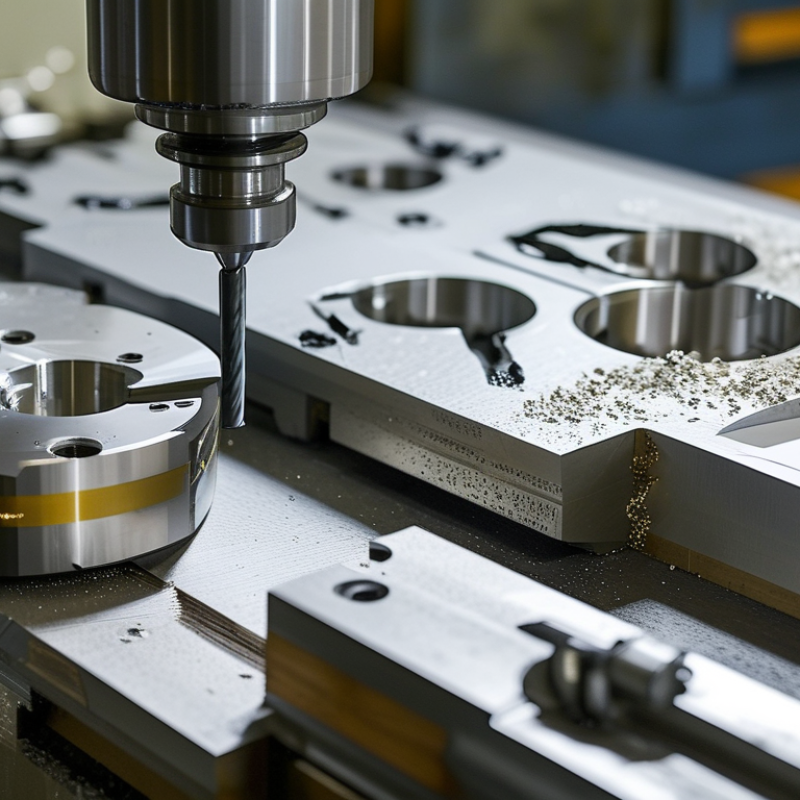
Define your CNC turning requirements before comparing service providers.
Start with the part’s material, diameter, overall length, and expected monthly quantity. Add a clear drawing with tolerances, thread standards, surface finish, and critical inspection points. A vague request often produces a vague quotation.
Material choice affects tooling, cycle time, heat control, and final cost. Stainless steel may need slower cutting and stronger chip control. Aluminum can support faster production, but burrs still require attention. State whether the component is a prototype, a small batch, or a repeat order. The difference matters.
Set realistic tolerances instead of tightening every dimension. Excessive precision can increase machining time without improving performance. Identify datums, functional dimensions, and areas requiring first-article inspection. Include packaging, labeling, material certificates, and delivery milestones. Ask how the supplier measures concentricity and surface roughness.
A useful request also explains the operating environment, such as heat, vibration, moisture, or chemical exposure. I would review the design once more before release. Small omissions, especially thread depth or corner radius, can create expensive revisions.
Choosing a CNC turning service starts with the machine, not the quotation. Ask about maximum turning diameter, part length, spindle speed, chuck size, and bar capacity. These details must match your drawing and raw material dimensions. A compact machine may handle aluminum well but struggle with long steel shafts.
Material compatibility requires closer attention. Aluminum, stainless steel, brass, titanium, and engineering plastics cut differently. Check whether the shop uses suitable tooling, cutting fluids, workholding, and chip control for your material. For hardened steel, confirm the machine’s rigidity and tooling strategy. For plastics, ask how the team controls heat and deformation. A hot workpiece can leave accurate dimensions on paper and a poor fit in practice.
I have learned to request a trial part when tolerances are tight. Measure critical diameters, surface finish, concentricity, and thread quality. Also review the inspection equipment and calibration records. A capable shop should explain its process clearly, including tool wear checks and first-article inspection. Do not rely only on a machine’s advertised accuracy. Fixture design, operator experience, material condition, and programming all affect the result. I once overlooked bar straightness, and the final runout exceeded expectations. That mistake changed my checklist. Ask better questions early.
Evaluate whether the machine can support the required cutting speed and spindle performance for each material. The chart uses representative starting values for carbide turning and calculates the spindle speed required at a 50 mm workpiece diameter.
Actual cutting parameters depend on tool geometry, workpiece hardness, coolant, part geometry, and machine rigidity. Confirm the final values with the tooling supplier and CNC service provider.
Choosing a CNC turning service requires more than comparing hourly prices. Start with its quality framework. ISO 9001 shows controlled processes, while ASME Y14.5 defines clear rules for dimensions and geometric tolerancing. For general tolerances, ISO 2768 may be suitable, but critical shafts need drawing-specific limits.
Tolerance claims must match inspection capability. A supplier reporting ±0.005 mm should explain its temperature control, calibration status, and measurement uncertainty. ISO 17025-accredited laboratories provide stronger evidence for calibration reliability. Common inspection methods include micrometers, air gauges, optical systems, and coordinate measuring machines. Each method has limits. A CMM may verify complex geometry, but it cannot repair poor workholding.
The 2023 Deloitte Global Smart Manufacturing Survey included 816 industry leaders. It found that 86% viewed smart manufacturing as important for future competitiveness. This supports digital inspection records, yet software alone cannot guarantee accurate parts. Human judgment still matters.
Tips: Ask for a sample inspection report before production. Check actual readings, not only pass-or-fail results. Confirm the gauge resolution is suitable for the tolerance. A useful rule is to keep measurement resolution at least ten times finer than the tolerance, when practical. Also request material certificates, first-article inspection data, and traceable calibration dates. One frequent mistake is choosing the tightest tolerance everywhere. It can increase cost without improving function. The better question is whether each tolerance serves assembly, movement, sealing, or load performance.
Choosing a CNC turning service requires more than comparing the lowest quotation. Ask for a cost breakdown covering material, programming, tooling, inspection, packaging, and shipping. A 2022 U.S. Census Bureau manufacturing survey recorded more than six trillion dollars in industry shipments, showing how strongly production costs affect purchasing decisions. Request three comparable quotes. Differences often hide inside tolerances or inspection requirements.
Lead time needs evidence. Ask when engineering review starts, when raw material arrives, and when the first article will ship. A 2024 global manufacturing executive survey reported that 86% of leaders expect smart manufacturing to improve competitiveness within five years. That matters because digital scheduling can expose machine availability and approval delays. Still, software is not capacity. Request a sample production schedule, not a promise.
Capacity should match your actual order pattern. Confirm available turning centers, maximum diameter, bar-feeder limits, operator coverage, and inspection equipment. Ask how the shop handles urgent rework or a second batch. The 2024 Manufacturing Workforce Annual Report identified skills shortages as a continuing production constraint. A busy supplier may accept your order but miss the requested date. I would challenge my own assumptions here. A supplier claiming 95% utilization may have little room for engineering changes. Require recent on-time delivery figures, realistic batch sizes, and a written recovery plan. The cheapest offer is sometimes the most expensive delay.
| Service Profile | Typical Order Volume | Indicative Unit Price* | Typical Lead Time | Monthly Production Capacity | Dimensional Tolerance | Best Fit |
|---|---|---|---|---|---|---|
| Rapid Prototyping | 1–10 pieces | $45–$220 per part | 3–7 business days | Up to 500 parts | ±0.05 mm | Design validation, fit checks, and functional prototypes |
| Low-Volume Production | 10–100 pieces | $18–$95 per part | 7–15 business days | 500–5,000 parts | ±0.03 mm | Pilot runs, replacement components, and customized equipment |
| Medium-Volume Production | 100–1,000 pieces | $8–$42 per part | 15–30 business days | 5,000–25,000 parts | ±0.02 mm | Regular production with repeatable quality requirements |
| High-Volume Production | 1,000–10,000+ pieces | $2.50–$15 per part | 30–60 business days | 25,000–100,000+ parts | ±0.015 mm | Stable, repeat-order programs where unit cost is critical |
| Tight-Tolerance Turning | 10–500 pieces | $35–$180 per part | 15–35 business days | 1,000–15,000 parts | ±0.005–0.01 mm | Precision shafts, bushings, hydraulic components, and instrument parts |
| Bar-Fed Production | 500–50,000+ pieces | $1.50–$12 per part | 20–50 business days | 20,000–150,000+ parts | ±0.01–0.03 mm | Small to medium cylindrical parts requiring efficient material handling |
| Complex Live-Tool Turning | 10–5,000 pieces | $25–$160 per part | 12–35 business days | 2,000–30,000 parts | ±0.01–0.03 mm | Parts requiring milling, drilling, cross-holes, flats, or off-center features |
*Indicative prices are typical planning ranges in U.S. dollars for machined metal parts and may vary according to material, part size, geometry, surface finish, inspection requirements, order quantity, tooling, packaging, and shipping. Lead times begin after drawing approval and final quotation confirmation.
When choosing a CNC turning service, verify practical expertise before discussing price. Ask for evidence of similar parts, including material, diameter, tolerance, and production volume. A capable provider should explain tool selection, workholding, surface finish, and inspection methods clearly. According to the 2023 Smart Manufacturing and Operations Survey by Deloitte and the Manufacturing Leadership Council, 86% of manufacturers considered smart manufacturing important to competitiveness. That finding matters because modern turning requires more than machine access. It requires controlled data, trained operators, and repeatable processes.
Websites can mislead. Request a sample inspection report, equipment list, calibration records, and process capability results. Pay attention to how engineers answer difficult questions. Can they explain what happens when a bore drifts beyond tolerance? Do they propose a corrective action, or simply promise perfection?
I prefer a supplier that admits limitations and documents risks. That honesty is not weakness. It is useful evidence of professional judgment.
Communication should be tested before production begins. Send a drawing with several requirements and observe the response time, technical accuracy, and clarification quality. Define update intervals, approval points, packaging details, and escalation contacts in writing. Customer support must continue after delivery. Ask how they handle nonconforming parts, replacement decisions, and root-cause reports. A 2023 global manufacturing workforce report identified skills shortages as a persistent operational concern, so confirm who will manage your project when the primary contact is unavailable. Fast replies help. Consistent ownership matters more.