What Is Greener Cleaning and Why Does It Matter?

Greener Cleaning is changing how people think about clean homes, offices, and public spaces. It is not simply about choosing a bottle with green leaves on its label. It means reducing harmful chemicals, unnecessary packaging, water waste, and indoor air pollution. A cleaner should still remove grease from a kitchen counter, soap residue from a shower, and dust from a child’s desk. Performance matters.

Small choices can reveal the difference. A concentrated product may reduce plastic shipments, while a refill system can prevent several bottles from reaching landfills. Microfiber cloths often clean glass with less liquid. Ventilation also matters, especially when strong fragrances linger in a closed bathroom. These details come from practical cleaning routines, not attractive advertising alone.

Labels deserve careful attention. Independent certifications, clear ingredient information, and transparent manufacturer testing can support more reliable decisions. However, no product is perfect. A plant-based formula may still irritate sensitive skin, and a reusable cloth still requires washing energy and water. That part is easy to overlook. Greener Cleaning requires honest comparison rather than quick promises.

This approach also depends on using the right amount. More detergent does not always mean a cleaner surface. It can leave residue, waste money, and increase environmental pressure. Professional cleaners often begin with prevention, proper dilution, and suitable tools. Home users can do the same. The goal is practical progress: effective cleaning with fewer avoidable impacts, supported by evidence and realistic habits.
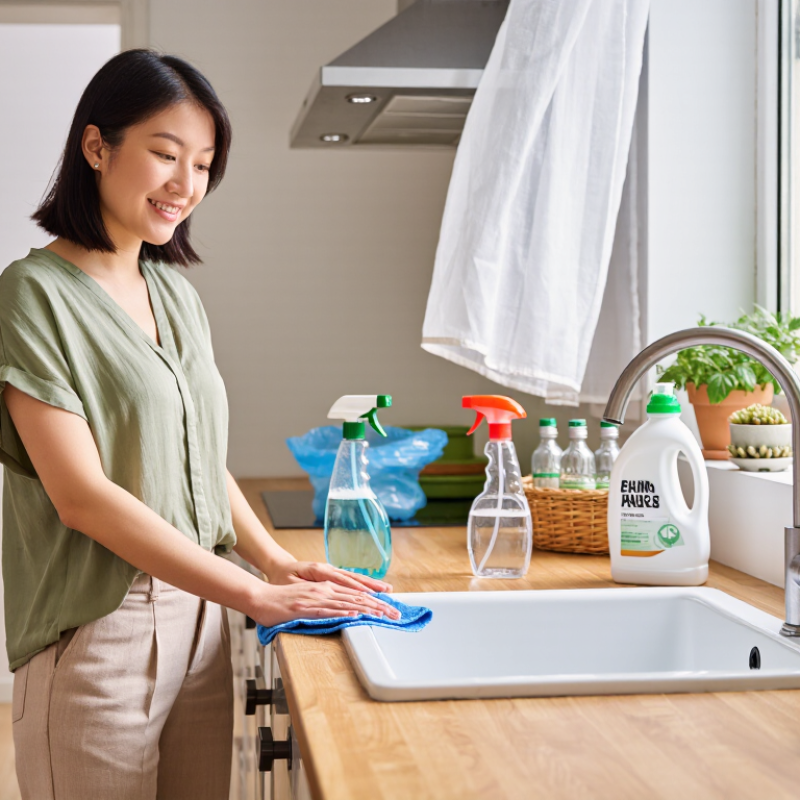
What Is Greener Cleaning and Why Does It Matter?

Definition and Core Principles of Greener Cleaning

Greener cleaning means removing dirt while reducing harm to people, indoor air, water, and ecosystems. It is not simply choosing a product labeled “natural.” The approach considers ingredients, packaging, energy use, water consumption, and disposal throughout a product’s life.

Its core principles are prevention, safer chemistry, efficiency, and measurable performance. Use the least aggressive method that works. A dry microfiber cloth may remove dust without chemicals. A correctly diluted cleaner can reduce waste and surface damage.

Ventilation also matters, especially in small bathrooms or kitchens. Professional cleaning practice supports these choices through safety data, manufacturer instructions, and consistent results. However, greener cleaning is not perfect. Some lower-impact options may clean more slowly or require extra physical effort.

Tips: Measure concentrates carefully, because more product rarely means better cleaning. Wash reusable cloths in full loads and let them air-dry when practical. Choose durable tools with replaceable parts. Store chemicals securely and never mix cleaning substances. Track water and product use for a week. The results may reveal waste that routine habits hide. I still find that convenience can override good intentions, particularly during busy workdays. That is worth noticing, not ignoring. Cleaner methods become more reliable when teams receive training, record outcomes, and adjust procedures based on evidence.

Key Ingredients and Products Used in Greener Cleaning

What Is Greener Cleaning and Why Does It Matter?

Greener cleaning depends on ingredients, packaging, and real-world use. The US EPA’s Safer Choice Standard evaluates ingredients for human health and environmental effects. It also considers aquatic toxicity, biodegradation, and safer substitutes. That matters because “natural” does not always mean harmless. Citrus oils, for example, can irritate skin or harm aquatic organisms at high concentrations. A safer formula should disclose clear ingredient information, not rely on vague environmental claims.

Product design matters, too. Concentrated liquids reduce water weight during transport. Refillable bottles can reduce single-use plastic, but only when customers actually reuse them.

The OECD’s Global Plastics Outlook reported 353 million tonnes of plastic waste worldwide in 2019. Meanwhile, US EPA data showed that only 8.7% of plastic waste was recycled in 2018.

353 million tonnes The OECD’s Global Plastics Outlook reported plastic waste worldwide in 2019.
8.7% US EPA data showed that only 8.7% of plastic waste was recycled in 2018.

These figures expose a practical weakness: recyclable packaging still creates waste when collection systems fail.

Look for plant-based surfactants, readily biodegradable builders, mineral abrasives, and low-fragrance formulas. Microfiber cloths can improve cleaning with less chemical product, although they require careful washing. Reuse matters. So does water temperature.

The European Commission’s Product Environmental Footprint method stresses examining impacts across a product’s full life cycle. I still question some “green” claims, especially when refill instructions are unclear or packaging contains mixed materials. A genuinely greener product should perform well, explain its ingredients, and create fewer problems after use.

How Greener Cleaning Differs from Conventional Cleaning

What Is Greener Cleaning and Why Does It Matter?

Greener cleaning differs from conventional cleaning in more than label language. It considers ingredients, packaging, water use, energy, waste, and worker exposure. Conventional routines often rely on stronger fragrances, excessive dosing, and disposable materials. A greener approach uses measured concentrates, reusable cloths, cold-water methods, and ventilation. Small changes are visible: fewer plastic bottles under the sink and less chemical smell in a freshly cleaned room.

Indoor conditions make this distinction important. The U.S. Environmental Protection Agency reports that indoor pollutant levels can be two to five times higher than outdoor levels, and sometimes much higher. Cleaning chemicals can contribute to that exposure, especially in poorly ventilated bathrooms or offices. Greener formulations may reduce certain concerns, but “natural” does not automatically mean safe. That assumption needs challenging. Ingredient transparency and recognized hazard assessments matter more than soft wording.

Performance must also be measured honestly. A greener product that requires three applications may create more waste than a correctly dosed conventional alternative. The U.S. EPA’s Safer Choice criteria assess ingredient safety and product performance, offering a useful professional benchmark. The United Nations Environment Programme has also warned that global chemical production could nearly double by 2030 without stronger controls. In practice, effective greener cleaning combines suitable chemistry with trained workers, accurate dilution, microfiber laundering, and routine monitoring. The difficult part is changing habits. People often pour more product when results look slow. Proper dwell time may work better.

Environmental and Health Benefits of Greener Cleaning

What Is Greener Cleaning and Why Does It Matter?

Environmental and Health Benefits of Greener Cleaning

Greener cleaning means reducing harm to people, indoor spaces, and the wider environment. It considers ingredients, packaging, water use, and disposal. In practice, this may involve using less product, choosing concentrated solutions, and selecting reusable cloths. Small choices matter. However, “natural” does not automatically mean safe or sustainable. Reliable decisions require clear ingredient information and evidence-based guidance.

Health benefits often begin with better indoor air. Strong fragrances and harsh vapors can irritate the eyes, skin, or breathing passages. A simpler cleaning routine may help households avoid unnecessary exposure, especially around children, older adults, and people with asthma. Open windows when practical. Wear suitable gloves for concentrated products. My own experience has shown that using less cleaner often leaves fewer residues on kitchen surfaces. Still, greener cleaning is not risk-free, and poor ventilation can weaken its benefits.

Environmental improvements can appear in ordinary routines. Refillable containers reduce packaging waste, while washable cloths can replace many disposable wipes. Using cold water saves energy during laundering. Measuring products carefully also protects waterways from excess chemical discharge. Yet reusable items require washing, and producing them still uses resources. This detail is easy to overlook. Checking independent environmental standards, safety data, and disposal instructions can make greener choices more trustworthy.

What Is Greener Cleaning and Why Does It Matter? – Environmental and Health Benefits of Greener Cleaning
Impact Area Common Cleaning Concern Greener Cleaning Practice Evidence-Based Indicator Environmental and Health Benefit
Indoor Air Quality Some cleaning products release volatile organic compounds (VOCs), fragrances, or aerosols that can contribute to indoor air pollution and irritation. Choose fragrance-free or low-VOC products, improve ventilation, and use the smallest effective amount. VOCs can evaporate at room temperature and may contribute to eye, nose, throat, or respiratory irritation. Lower exposure to airborne irritants and improved indoor air quality, especially in enclosed spaces.
Respiratory Health Repeated exposure to strong sprays, disinfectants, and reactive chemicals may aggravate asthma or other respiratory sensitivities. Use targeted application, avoid unnecessary aerosols, follow label directions, and reserve disinfectants for situations where disinfection is needed. Spray application can increase inhalation exposure compared with applying a product to a cloth or directly to a limited surface. Reduced inhalation risk while maintaining effective cleaning when the appropriate product and method are used.
Water Pollution Surfactants, solvents, disinfectants, phosphates, and other ingredients can enter wastewater after use. Select readily biodegradable formulations and avoid pouring concentrated chemicals into drains or waterways. Wastewater treatment removes many contaminants, but some chemical residues can remain and reach aquatic environments. Lower potential for aquatic toxicity, eutrophication, and chemical accumulation in waterways.
Eutrophication Phosphorus-containing ingredients can promote excessive algae growth when released into lakes and rivers. Use phosphate-free cleaning products and dispose of concentrated solutions according to local requirements. Excess phosphorus is a recognized driver of algal blooms and oxygen depletion in freshwater systems. Helps protect aquatic biodiversity and reduce the risk of oxygen-starved “dead zones.”
Packaging Waste Single-use bottles and multilayer packaging consume materials and may be difficult to recycle. Prefer concentrated formulas, refill systems, durable spray bottles, and packaging made with recycled or recyclable materials. Using a refillable container can avoid repeated disposal of the primary bottle over its service life. Reduced material extraction, manufacturing demand, transport weight, and landfill waste.
Transport Emissions Ready-to-use products may contain a high proportion of water, increasing shipping weight and volume. Use concentrates or solid formats when they can be safely and accurately diluted at the point of use. Water has a mass of approximately 1 kilogram per liter, so removing unnecessary water can reduce shipment mass. Potentially lower fuel use and greenhouse-gas emissions across transportation.
Energy Use Hot water requires energy, and repeated washing or laundering increases household or facility energy demand. Use cold or warm water when effective, wash reusable cloths in full loads, and air-dry when practical. Heating 1 liter of water by 30°C requires approximately 0.035 kilowatt-hours of heat before system losses. Lower energy consumption and associated greenhouse-gas emissions.
Microfiber Pollution Synthetic cleaning textiles can release microscopic fibers during washing. Extend textile life, wash synthetic cloths less frequently when appropriate, and use filtration or capture methods where available. Synthetic textile washing is a documented pathway for releasing microfibers into wastewater. Reduced release of persistent plastic fibers into aquatic ecosystems.
Chemical Safety Mixing incompatible products can create hazardous gases or corrosive reactions. Never mix bleach with ammonia, acids, or other cleaners; store products in original labeled containers. Bleach mixed with acids can release chlorine gas, while bleach mixed with ammonia can form chloramines. Prevents acute poisoning, chemical burns, and dangerous indoor air contamination.
Resource Efficiency Overuse increases chemical consumption, cost, packaging demand, and wastewater loading without necessarily improving cleanliness. Measure products accurately, follow contact-time instructions, and clean visibly soiled areas before disinfection. More product does not automatically mean better performance; effectiveness depends on concentration, coverage, and contact time. Maintains hygiene while reducing waste, exposure, and unnecessary environmental pressure.
Whole-Life Impact A product’s impact includes ingredient production, packaging, transport, use, wastewater treatment, and disposal. Evaluate the complete life cycle rather than judging a product only by its marketing claims or ingredient list. A lower-impact choice generally combines effective performance, safer use, reduced packaging, and efficient transport. Supports practical decisions that balance human health, cleaning performance, and environmental protection.
Key principle: greener cleaning means achieving the required level of cleanliness with less hazardous chemistry, less waste, less energy, and lower exposure—without compromising essential hygiene.

Practical Ways to Adopt Greener Cleaning Methods

Greener cleaning begins with practical choices, not a perfect lifestyle. In my own routine, I reduced waste by using washable cloths and measuring detergent carefully. A smaller dose often cleans well. More product does not always mean better results.

I choose concentrated formulas with clear ingredient and disposal information. Recognized environmental certifications can provide useful guidance, although labels still need careful reading. “Natural” does not automatically mean harmless. I never mix cleaning chemicals, especially products containing acids or chlorine-based ingredients. Ventilation matters too, so I open a window when using stronger solutions.

Small habits add up. I wash full loads of reusable cloths, air-dry them, and avoid disposable wipes for ordinary spills. For floors, I use warm water instead of very hot water when the surface allows it. I also clean high-touch areas regularly, rather than applying disinfectant everywhere. That reduces unnecessary chemical use.

It is not always convenient.

Sometimes a disposable item seems easier, especially during illness or heavy messes. I am still refining that balance. Buying refillable containers can reduce packaging, but only when the refill system is genuinely available and practical. Greener cleaning should protect indoor air, limit waste, and still meet basic hygiene needs.

What Is Greener Cleaning and Why Does It Matter?

Heating water is often one of the most energy-intensive parts of cleaning. This chart shows the theoretical energy required to heat 1 liter of water from 20°C to different cleaning temperatures.

Practical takeaway: Use cold or warm water when it is effective, avoid unnecessarily high temperatures, choose concentrated products to reduce packaging, and use reusable tools such as washable microfiber cloths. The values are calculated using water’s specific heat capacity of approximately 4.186 kJ/kg·°C and assume no heat loss; real appliances generally use more energy.

Go to Top