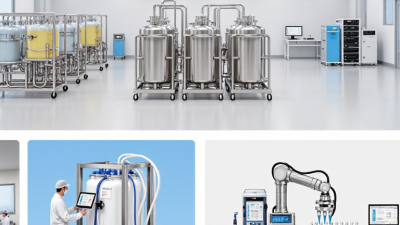
What Is a Sterilization and Cleaning System?
A sterilization and cleaning system is more than a washer, sterilizer, or stainless-steel workstation. It is a controlled chain that removes soil, reduces microbial contamination, sterilizes suitable devices, and records each critical step. In practice, this chain may include point-of-use treatment, transport, manual cleaning, automated washing, inspection, packaging, sterilization, storage, and release. A single missed hinge or narrow channel can compromise an otherwise impressive cycle.
The need is measurable. The World Health Organization’s 2022 Global Report on Infection Prevention and Control estimates that seven out of 100 patients in high-income countries acquire at least one healthcare-associated infection. The estimate rises to 15 out of 100 in low- and middle-income countries. These figures do not prove that every event results from poor reprocessing. They do show why reliable contamination control deserves operational attention.
Professional guidance supports a risk-based approach. The CDC’s Guideline for Disinfection and Sterilization in Healthcare Facilities emphasizes cleaning before disinfection or sterilization. It also highlights device classification, validated processes, monitoring, and staff training. ISO 17665 provides a framework for developing, validating, and routinely controlling moist-heat sterilization processes. AAMI ST79 adds practical guidance for steam sterilization and sterility assurance in healthcare settings.
Still, no system is flawless. Clean-looking instruments may retain protein inside a narrow lumen. A correct temperature reading may not reveal poor loading or blocked airflow. Effective sterilization therefore depends on equipment, water quality, chemistry, maintenance, documentation, and human judgment. This article explains how sterilization and cleaning systems work, where failures commonly occur, and which performance indicators help teams improve safety without relying on appearances alone.
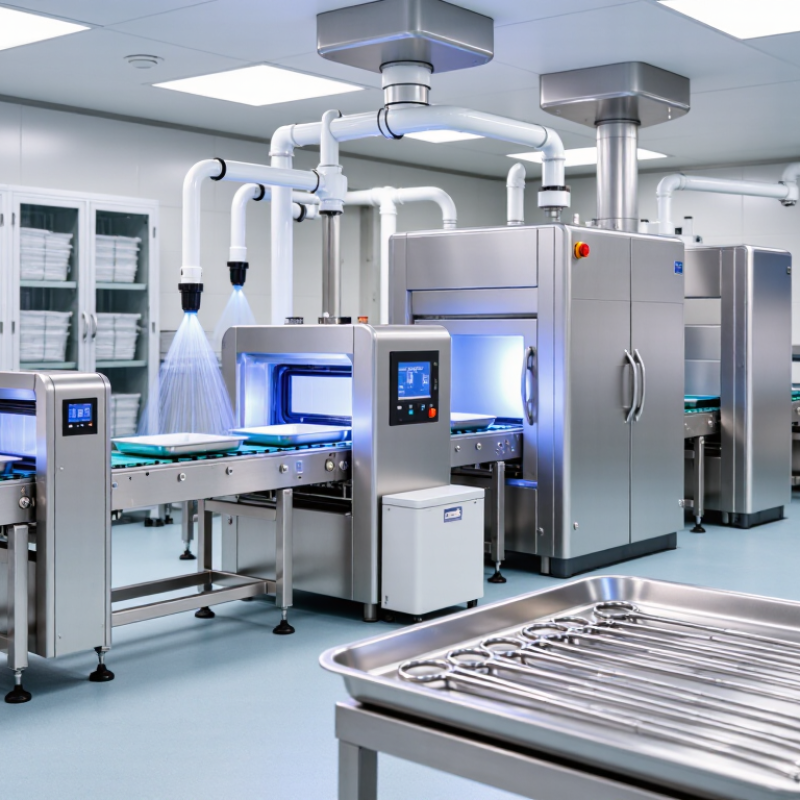
Definition and Purpose of a Sterilization and Cleaning System
A sterilization and cleaning system is a coordinated process for removing soil, reducing microorganisms, and making equipment safe for its next use. Cleaning removes visible residue, oils, and biological material. Sterilization then destroys viable microorganisms, including resistant spores, under validated conditions. These steps are connected, but they are not interchangeable.
The purpose is protection.
In healthcare, laboratories, and controlled production areas, contaminated equipment can compromise results or expose people to infection risks. A reliable system usually includes preparation, cleaning, rinsing, drying, sterilization, monitoring, and documented release. Technicians may inspect hinges, narrow channels, and rough surfaces because hidden residue can block the sterilizing process. Small details matter.
Validation should match the equipment, load, and selected cycle.
Temperature, pressure, exposure time, chemical concentration, and moisture levels require routine checks. Biological and chemical indicators can provide useful evidence, but records must be reviewed by trained personnel. A clean appearance is not proof of sterility. That assumption is easy to make.
In practice, failures may come from overloaded chambers, poor drying, or rushed handling after processing.
Staff training and clear maintenance procedures help identify these weaknesses. Even well-designed systems need periodic review. Equipment changes, new materials, or unusual contamination may require a revised process. The goal is not simply clean equipment; it is controlled, repeatable, and verifiable safety.
Key Components and How the System Works
What Is a Sterilization and Cleaning System?
Key Components and How the System Works
A sterilization and cleaning system is a controlled workflow, not one machine. Cleaning comes first. Staff remove soil at the point of use, then transport instruments in closed, labeled containers. A washer-disinfector uses water, detergent, temperature, and mechanical action to reduce contamination. However, cleaning does not guarantee sterility. Visual inspection remains essential because hidden residue can block sterilant contact.
The next components include drying, packaging, sterilization, monitoring, and storage. Packaging must allow sterilant penetration while protecting the processed item. Steam sterilizers commonly use time, temperature, and pressure, while low-temperature systems support heat-sensitive devices. The CDC’s Guideline for Disinfection and Sterilization in Healthcare Facilities recommends mechanical, chemical, and biological monitoring. Each cycle should record load details, operator checks, and indicator results. Traceability matters.
The World Health Organization’s 2022 Global Report on Infection Prevention and Control states that effective infection prevention programs may reduce healthcare-associated infections by 35% to 70%. That figure shows why system design matters, but it should not create false confidence. A failed seal, overloaded chamber, or wet package can compromise an otherwise valid cycle. In practice, teams need routine training, equipment maintenance, and documented investigations. No cycle is perfect. Human judgment still matters. Some facilities also discover gaps between written procedures and real work, especially during busy shifts. That gap deserves honest review, not polished paperwork.
Main Sterilization and Cleaning Methods
What Is a Sterilization and Cleaning System?
Main Sterilization and Cleaning Methods
A sterilization and cleaning system combines soil removal, disinfection, sterilization, inspection, and documentation. These steps are different. Cleaning removes blood, tissue, and protein from surfaces. Sterilization destroys all viable microorganisms, including resistant spores. A clean instrument is not automatically sterile.
Manual cleaning uses brushes, detergent, and controlled rinsing. It suits delicate devices, but results depend heavily on technique. Ultrasonic cleaners reach small joints and textured surfaces. Washer-disinfectors provide repeatable cycles with programmed water temperature, detergent exposure, and drying. Narrow lumens still require careful flushing. Small errors matter.
Steam sterilization remains the preferred method for heat- and moisture-stable instruments, according to CDC guidance. Low-temperature systems support temperature-sensitive devices. Common options include vaporized hydrogen peroxide and ethylene oxide, where validated procedures and residue controls apply. Chemical indicators show exposure, while biological indicators provide stronger process evidence. Records should include load details, cycle parameters, operator checks, and failed-cycle actions.
The need is substantial. WHO’s 2022 Global Report on Infection Prevention and Control estimates that 7 of every 100 acute-care patients in high-income countries acquire at least one healthcare-associated infection. The estimate rises to 15 of 100 in low- and middle-income countries. These figures do not prove that sterilization alone prevents every infection. They do show why reliable cleaning comes first. A shiny hinge can still hide protein. That is easy to miss.
Applications Across Healthcare and Industrial Settings
What Is a Sterilization and Cleaning System?
Applications Across Healthcare and Industrial Settings
A sterilization and cleaning system combines soil removal, microbial control, inspection, and documentation. Cleaning removes blood, oils, dust, and process residues from surfaces. Sterilization goes further by destroying viable microorganisms, including resistant spores. Together, these steps protect patients, workers, products, and equipment. Yet appearance can mislead. A bright surface may still contain residue inside a narrow channel.
In healthcare, these systems support surgical instruments, dental tools, laboratory glassware, and reusable patient-care equipment. Staff may use manual cleaning, ultrasonic treatment, automated washers, steam, low-temperature chemicals, or filtration. Each method requires suitable materials, controlled exposure, and clear operating records. A technician should inspect hinges, joints, and lumens before packaging. Small defects matter. Poor drying can also encourage contamination after processing. Routine biological or chemical indicators provide evidence that a cycle performed as intended, although no indicator replaces proper cleaning.
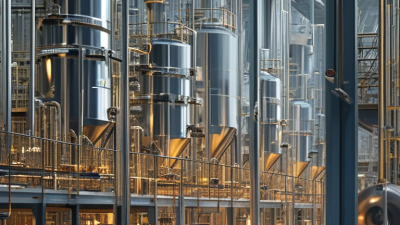
Industrial settings apply similar principles to food processing, pharmaceutical production, biotechnology, and precision manufacturing. Clean-in-place systems can flush tanks, pipes, and filling lines without full disassembly. Operators monitor temperature, flow, chemical concentration, contact time, and rinse quality. Equipment design matters because dead legs and rough welds can trap residues. One practical weakness remains: production pressure may shorten cleaning time. That choice can create hidden risks. Regular validation, preventive maintenance, worker training, and honest review of failed cycles help keep the system dependable.
What Is a Sterilization and Cleaning System?
Sterilization and cleaning systems remove soil, microorganisms, and other contaminants from instruments, equipment, components, and production surfaces. The chart compares representative operating temperatures used by common sterilization technologies across healthcare and industrial settings.
Representative process temperatures: saturated steam commonly operates at 121–134°C, dry heat at approximately 160–180°C, ethylene oxide at about 37–63°C, and vaporized hydrogen peroxide at approximately 40–60°C. Actual parameters depend on the equipment, load, material compatibility, cycle validation, and applicable standards.