7 Tips for Choosing Squeezable Lip Gloss Tubes
Choosing Squeezable Lip Gloss Tubes is not just a packaging decision. The tube must dispense smoothly, protect the formula, and feel comfortable in a customer’s hand. A glossy finish may catch attention, but a cap that leaks or an opening that clogs can quickly undermine trust.
The market context makes careful selection worthwhile. McKinsey’s 2023 State of Fashion: Beauty report estimated that the global beauty market could reach $580 billion by 2027. That figure describes beauty overall, not lip gloss packaging specifically. Still, it signals a competitive category where functional details can help a product stand apart.
Start by matching tube capacity and material to the formula and expected use. Then assess the nozzle, closure, squeeze resistance, and compatibility with the gloss. Ask suppliers for technical specifications and sample testing, rather than relying on photos or general claims. Check how much product remains after dispensing, too. Small details matter.
A sample can look perfect. It may perform differently after repeated squeezing or exposure to heat. That is easy to overlook. These seven tips will help you compare options, ask sharper questions, and evaluate packaging with real-world use in mind. No single tube suits every formula or brand, so testing remains essential.
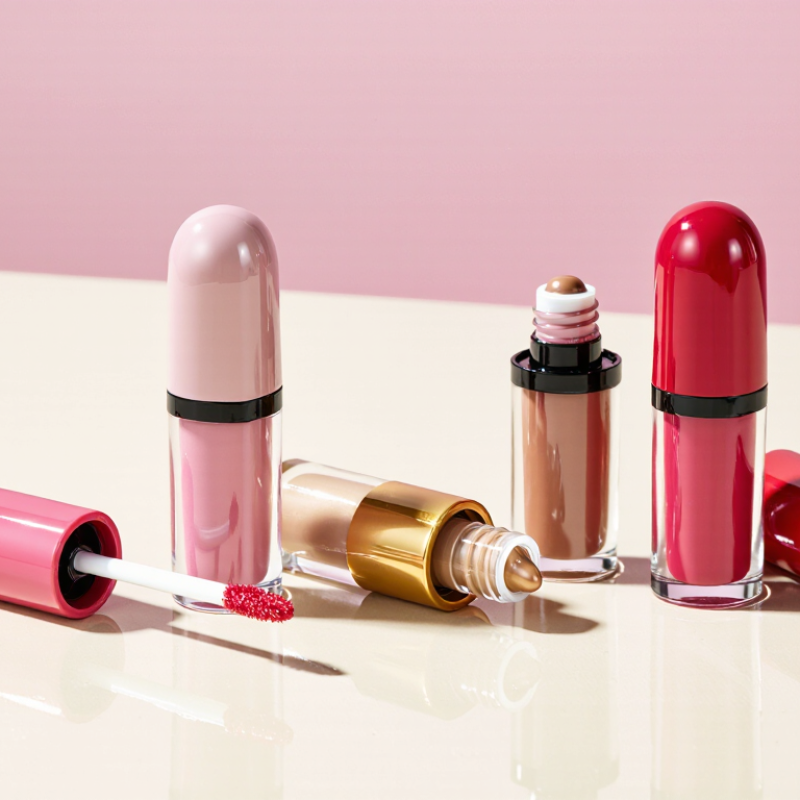
Identify Your Product and Packaging Requirements
7 Tips for Choosing Squeezable Lip Gloss Tubes
Identify Your Product and Packaging Requirements
Tip 1: Start with the formula. A thin gloss may leak through a loose closure, while a thicker formula can be difficult to dispense from a narrow opening. Test the actual product, not a water-based substitute. Tip 2: Set the fill volume and check how much space the formula needs above it. A tube that looks compact on a screen may feel bulky in a small makeup bag.
Tip 3: Match the opening and applicator to how customers will use the gloss. A slanted tip can support direct application, while a separate wand may suit a different texture. Tip 4: Consider the tube material and its feel. Squeeze a filled sample several times; pay attention to whether it springs back, creases, or dispenses too much. Small details matter. Tip 5: Check that the cap closes securely and is easy to handle with glossy fingers. A pretty cap is not enough.
Tip 6: Define decoration needs early, including label space, print placement, and how the tube looks when partly empty. Tip 7: Ask suppliers for samples and assess filling, sealing, leakage, and dispensing under realistic conditions. Record what works, even if the first choice seemed obvious. One overlooked detail can change the whole experience. Requirements may shift after testing, so leave room to revise the tube size or applicator before confirming production.
7 Tips for Choosing Squeezable Lip Gloss Tubes: Identify Your Product and Packaging Requirements
Compare example nominal tube capacities when matching packaging to your formula, fill volume, and intended use. Available sizes vary by supplier; confirm specifications before ordering.
These are example capacity options, not a ranking of market popularity. Also check tube material compatibility, opening size, applicator style, closure, and leakage performance.
Evaluate Applicator Types and Ease of Use
Applicator design determines whether a squeezable gloss tube feels controlled or messy. A doe-foot wand suits precise placement, but it adds a cap, wiper, and extra steps. A slanted nozzle lets users apply gloss directly, while a soft, rounded tip may feel gentler on the lips. Match the tip opening to the formula: a thick gloss can resist a narrow outlet, while a runny formula may flood a wide one. Test with cold hands, too. Small caps can be surprisingly fiddly.
Check how much product comes out with one gentle squeeze. A practical bench test is to apply one pass, then inspect the lip line and tube opening for excess gloss. Does the tip wipe clean against the cap? Can the cap close without smearing product onto its threads? WestRock’s 2016 Packaging Matters study found that 66% of consumers had tried a new product because its packaging caught their eye. That measures attention, not usability, but it shows why the first impression matters. A striking applicator still needs to work well in a real routine. No tip suits every formula. A wider opening may feel convenient, yet dispense more gloss than intended. Check grip, squeeze resistance, and cleanup with the intended formula before choosing.
Check Compatibility, Sealing, and Product Protection
A squeezable lip gloss tube must suit the formula, not just look attractive on a shelf. Oils, pigments, and fragrances can interact with tube materials, seals, or applicator tips. Check for swelling, softening, color changes, and unwanted odor after filling. A small sample test is useful, but it cannot replace testing the finished pack.
Smithers’ The Future of Global Packaging to 2028 estimated the worldwide packaging market at about US$1.17 trillion in 2023, with a forecast of US$1.42 trillion by 2028. That market figure does not measure tube quality. It does show how varied packaging choices are, making product-specific checks essential. Test filled tubes upright and inverted, then squeeze them after storage at realistic temperatures. Watch for seepage around the shoulder, cap, and seal.
Small details matter. One weak spot in a selection plan is testing the cap without testing the whole package. Check that the closure stays secure in transit, while the nozzle dispenses a controlled amount without clogging. Inspect the seal after repeated squeezing, too. If the gloss separates or leaks, revisit the material and closure combination rather than assuming tighter packaging will solve it. A clear tube may reveal product changes, but it may offer less protection from light; verify the formula’s needs before choosing it.
Review Customization, Minimum Orders, and Cost
Customization can change both a tube’s appearance and its unit cost. Compare stock tubes with custom colors, printed artwork, and special applicators. Each added feature may require setup, sampling, or separate production runs. A pearly finish looks polished, but it may not help customers judge the gloss shade. Keep the details purposeful.
Ask suppliers for minimum order quantities by decoration method, not just by tube size. A plain tube may have a lower minimum than a custom-colored tube with screen printing. Request written quotes at several quantities, including shipping, tooling, sample fees, and expected waste. Small orders can cost more per tube. Sometimes much more. Grand View Research estimated the global cosmetic packaging market at USD 34.8 billion in 2023, with projected growth through 2030. That broad market figure signals active development, but it does not guarantee low minimums for a particular tube.
Test a filled sample before approving a large order. Check squeeze pressure, cap fit, leakage, and how cleanly the applicator dispenses a thick gloss. A tube that looks right in a rendering may feel awkward in hand. This is easy to overlook. Ask whether the quote includes one revision round, and confirm how design changes affect timing and price. Compare total landed cost, not only the quoted unit price. A cheaper tube can become expensive if its finish scuffs during packing or its opening is difficult to clean.


