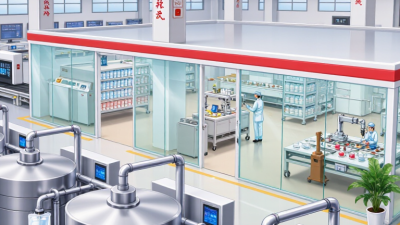
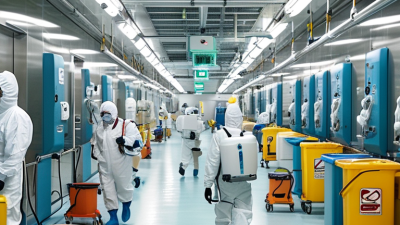
Biotech, pharma, food industries equipment & plants
Choosing the best bioprocess engineering solutions in China means looking beyond equipment price. Buyers should compare process performance, technical support, scale-up evidence, and compatibility with their existing facilities. A stainless-steel vessel or single-use assembly may look impressive on a specification sheet. Its value depends on reliable operation, consistent batches, and practical service when problems arise.
The market is expanding quickly. Grand View Research estimated the global bioprocessing market at USD 31.4 billion in 2023, with projected growth of 12.2% annually from 2024 to 2030. That growth raises the stakes for manufacturers assessing Chinese suppliers, automation platforms, and integrated process services. Yet global forecasts do not prove that one solution fits every Chinese facility. Site-specific testing matters. The fit matters.
A useful assessment starts with the process itself: upstream capacity, purification needs, automation, data integrity, and operator training. Ask vendors for documented performance at comparable scales, clear validation support, and transparent service arrangements. Then check whether claimed savings include installation, consumables, maintenance, and downtime. No scorecard is perfect. Some decisions still involve trade-offs, and published case studies may not match a buyer’s own process.
Quality pioneer W. Edwards Deming’s principle applies directly to manufacturing choices: “Quality cannot be inspected into a product; it must be built into it.” This introduction examines how to judge bioprocess engineering solutions with evidence, rather than marketing claims alone. It also considers where Chinese providers may offer strong capabilities, and where buyers should request more proof before committing.
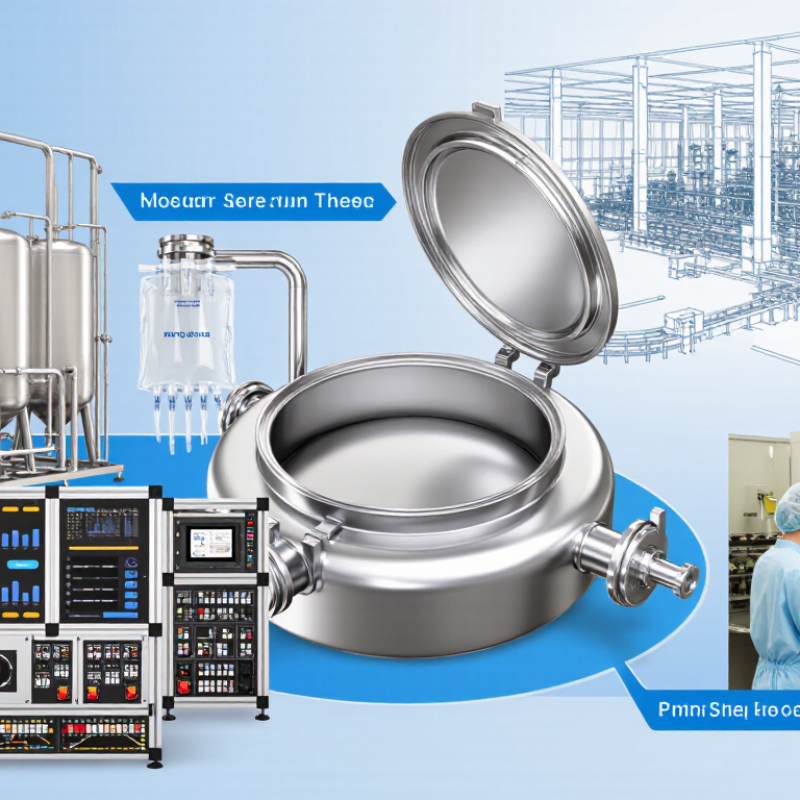
Bioprocess engineering solutions cover the connected steps that turn cells or microorganisms into consistent products.
Upstream work may include choosing a vessel, setting mixing and aeration, and controlling temperature, pH, and dissolved oxygen. A well-placed sensor can reveal a drift before a batch moves off target. Small details matter.
Downstream solutions handle clarification, filtration, purification, and product concentration. Engineers select equipment based on the material, required throughput, and cleaning needs. Facility design also matters: piping, clean utilities, and room layouts affect both workflow and contamination control. Automation can record process data and alert operators to unusual readings, but it cannot replace sound procedures or trained judgment. The best setup depends on the process; adding equipment without a clear need can create extra maintenance and complexity.
Tips: Map each process step before choosing equipment. Check that sensors are calibrated, records are traceable, and cleaning steps are practical. Ask operators to review the layout; a plan that looks efficient on paper may feel awkward during a real shift.
China’s bioprocess engineering industry is organized as a connected chain, not a single supplier market. Biotech developers set process goals, while engineering contractors design cleanrooms, utility systems, piping, and automation. Specialist manufacturers supply filtration, sensors, vessels, and other process equipment. Contract development and manufacturing organizations add process development, scale-up, testing, and production capacity. Universities and public institutes contribute research and trained staff. The boundaries overlap. Some providers cover several stages, but capability can differ greatly by product type and production scale.
Demand is expanding, though approval figures do not equal factory capacity. The National Medical Products Administration’s 2023 Drug Review Report recorded 40 newly approved innovative drugs. Separately, the National Bureau of Statistics reported about RMB 2.52 trillion in revenue for pharmaceutical manufacturers above designated size in 2023. These figures describe different parts of the market, so they should not be treated as direct measures of bioprocess investment. In practice, buyers assess process-transfer experience, equipment integration, documentation, and commissioning support. A stainless-steel line may suit one process; another may need flexible single-use equipment. It is uneven. Smaller teams can also underestimate maintenance and operator training after handover.
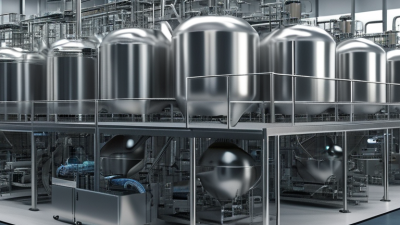
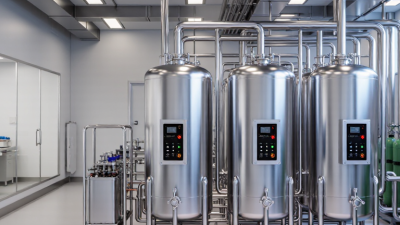
Modern bioprocess systems combine vessel design, automation, monitoring, and separation equipment. The strongest solution is not necessarily the most complex. It should maintain stable conditions from seed culture through harvest. In Chinese facilities, engineers may choose stainless steel tanks for repeated production or single-use assemblies for flexible runs. Each option has trade-offs. Stainless steel needs cleaning and sterilization checks; disposable systems can reduce changeover work but create material waste.
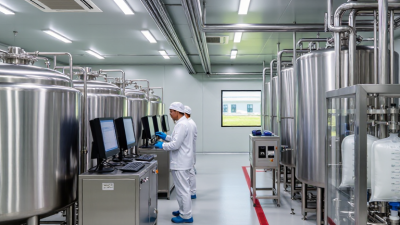
Sensors track temperature, pH, dissolved oxygen, and pressure during cultivation. Automated controls adjust mixing and gas flow when readings shift. Yet a sensor can drift. Regular calibration and clear batch records matter as much as the control software. Filtration and chromatography then help separate the target material. Small details matter.
Tips: Ask for process data, not just equipment specifications. Check how alarms, cleaning steps, and changeovers work in practice. A site visit can reveal awkward tubing or hard-to-reach valves.
Modern systems also use modular layouts, allowing teams to expand capacity without rebuilding every room. The benefit depends on actual demand. A highly automated line may still need skilled operators who understand unusual readings and process limits. No single setup fits every product. I would compare systems through pilot runs, maintenance needs, and documented performance, then revisit the choice when production changes.
Which China Bioprocess Engineering Solutions Are Best?
How to Compare Solutions for Quality, Scale, and Cost
The best solution is the one that meets your process needs without hiding future costs. Compare equipment, process control, validation support, and service as one package. Ask for comparable data on batch success, deviation rates, cleaning time, and changeover time. BioPlan Associates’ 2024 biopharmaceutical manufacturing survey collected responses from 414 professionals across 23 countries. Its broad sample is a reminder to compare local proposals against wider industry experience, not just a single vendor’s claims. Still, survey findings cannot replace site-specific testing.
For quality, review material traceability, alarm records, calibration routines, and how process changes are documented. For scale, test whether mixing, oxygen transfer, and temperature control remain consistent at your target volume. A small bench vessel can look excellent; scale-up may expose uneven mixing. For cost, compare a three-to-five-year total: installation, consumables, utilities, labor, maintenance, and downtime. Lower purchase prices can carry higher operating costs. No scorecard is perfect; weighting can reflect assumptions that deserve another look.
Tips: Request references from facilities with similar products and batch sizes. Ask for a demonstration using realistic process conditions, then record acceptance criteria before testing. Include delivery time and local technical support in the comparison. Small details matter. A missed service window can disrupt a production schedule.
Which China Bioprocess Engineering Solutions Are Best?
How to Match a Solution to a Biomanufacturing Need
The best solution starts with the product, not the equipment catalogue. A microbial process may need fast oxygen transfer and tight temperature control. A mammalian-cell process often needs gentle mixing, reliable feeding, and low shear. Map critical quality attributes, batch size, and changeover frequency before comparing stainless-steel and single-use systems. Small details matter: tubing hold-up, sensor placement, and cleaning time can quietly limit a production line.
Use evidence, not fashion. BioPlan Associates’ 2024 21st Annual Report gathered responses from 1,064 biopharma professionals, offering a broad industry snapshot, not a universal design rule. For a Chinese facility, check local service, spare-part lead times, validation documents, and compatibility with existing utilities. Ask engineering teams to explain scale-up assumptions and provide process data, not just equipment specifications. Test real operating conditions, including peak viscosity and short campaigns. This takes time. It can expose gaps early. I would not assume the first proposed configuration is optimal; sometimes the actual bottleneck has not been defined. Compare options against measurable criteria, and document the trade-offs.