7 Best Sterilization and Cleaning Systems for Global Buyers
Choosing the best sterilization and cleaning systems is not a simple equipment comparison. Global buyers must examine soil removal, microbial reduction, staff safety, water quality, cycle documentation, and after-sales support.
William A. Rutala, PhD, MPH, a recognized infection-prevention specialist, stated, “Cleaning must precede disinfection and sterilization.” That principle remains practical. A surgical instrument may look bright after processing, yet hidden protein residue can remain inside hinges, channels, or narrow joints. A reliable system must make those risks visible and controllable.
This guide reviews seven leading system categories for hospitals, laboratories, dental clinics, and medical-device processors. They include automated washer-disinfectors, ultrasonic cleaners, steam sterilizers, low-temperature sterilizers, and specialized endoscope reprocessors. Each option offers different benefits. None is perfect.
Look beyond purchase price.
A high-capacity washer may improve workflow but require treated water and skilled maintenance. An ultrasonic cleaner can reach difficult surfaces, but it cannot replace validated sterilization. A compact steam sterilizer may suit a small clinic, while larger facilities need stronger tracking and loading capacity.
The strongest buying decisions combine technical evidence with daily operational experience. Buyers should request cycle records, validation documents, training plans, service response times, and compatibility data for instruments. Regional standards also matter, even when equipment appears globally certified.
Some recommendations may seem less convenient. That is intentional. Real facilities face rushed staff, changing workloads, limited budgets, and occasional process failures. The “best” sterilization and cleaning systems are therefore those that deliver repeatable results under actual working conditions, not only inside a product brochure.
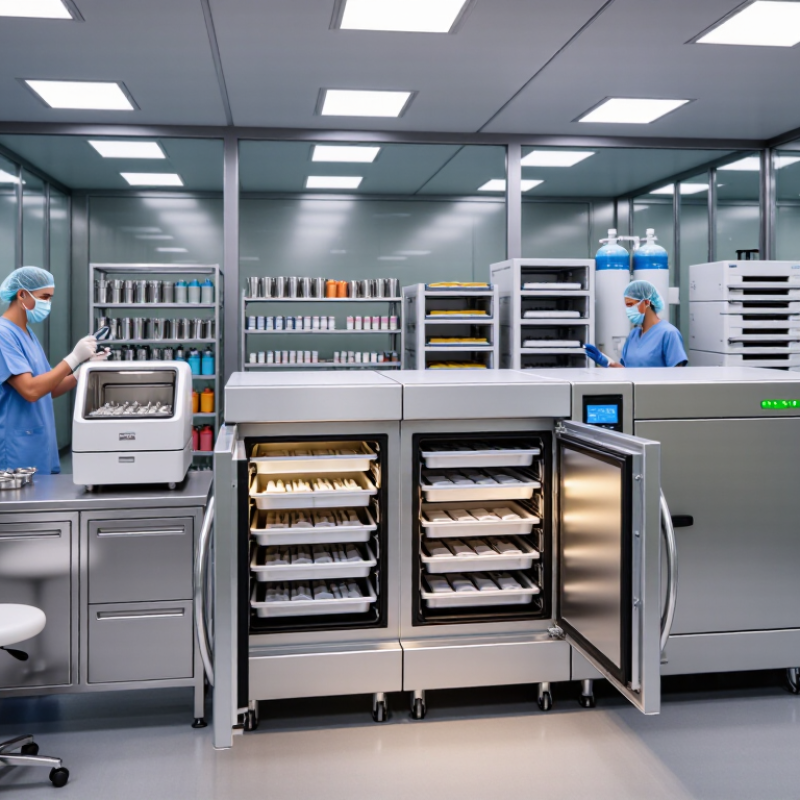
How Sterilization and Cleaning Systems Work
Sterilization and cleaning systems work through different but connected stages. Cleaning removes blood, proteins, dust, and other residues from instruments and surfaces. Without this step, remaining soil can shield microorganisms from the sterilizing agent. That distinction matters.
A typical workflow begins with rinsing, detergent washing, brushing, and drying. Some systems use controlled heat, while others use approved chemical or low-temperature processes. Steam sterilization uses heat, pressure, and moisture to destroy microorganisms inside properly prepared loads. Dry heat relies on higher temperatures for longer periods. Low-temperature systems may suit heat-sensitive materials, but their performance depends on compatibility, exposure time, and correct packaging.
Reliable operation requires more than pressing a cycle button. Trained staff should check water quality, load arrangement, temperature records, pressure readings, and cycle duration. Chemical indicators provide quick evidence, while biological indicators offer stronger verification. Each result should be documented and reviewed against applicable local requirements. Global buyers should also examine installation conditions, maintenance access, staff training, and emergency procedures.
In practice, teams sometimes overload chambers or skip drying when schedules become tight. That weakness deserves honest attention. A clean-looking instrument is not necessarily sterile. No system removes the need for judgment, routine testing, and careful handling after the cycle. Details decide outcomes.
Key Criteria for Comparing Systems Across Global Markets
Global buyers should compare sterilization and cleaning systems by use case, not by advertised cycle speed. Seven common options include steam, dry heat, low-temperature gas, vaporized chemical systems, ultrasonic cleaning, washer-disinfectors, and automated closed-loop cleaning. Each handles different instruments, soils, materials, and throughput demands. Ask whether the system has documented validation methods and clear acceptance limits. Local regulators may recognize different standards, so supplier records must be readable and auditable in the purchasing country. Evidence matters more than confident sales language.
Check water quality, power stability, ventilation, drainage, and room layout before scoring equipment. A system designed for a stable grid may struggle during voltage drops. Hard water can leave deposits inside channels and chambers. Small details matter. Confirm cycle monitoring, load traceability, alarm history, and maintenance intervals. Independent testing is useful, but it does not replace site validation. That distinction is often missed.
Across markets, total cost should include installation, filtration, consumables, calibration, staff training, and waste handling. A low purchase price can become expensive when replacement parts require long shipping. Ask how quickly trained technicians can respond and whether remote support is secure and practical. Compare capacity using real loads, not empty-chamber figures. Request test runs with narrow lumens, mixed materials, and dried residue where appropriate. Results may vary. Review drying performance, packaging compatibility, and reprocessing time under normal workload. Systems should fit national electrical, water, occupational-safety, and environmental requirements. Sometimes the safest choice is not the fastest one.
Seven Leading System Types and Their Best Applications
Global buyers usually compare sterilization and cleaning systems by material, workload, and risk level. Steam sterilizers suit reusable metal instruments, laboratory glassware, and heat-resistant textiles. They provide strong penetration when air removal and loading are controlled. Steam needs careful loading. Wrapped items require validated exposure times and drying.
Dry-heat systems work well for powders, oils, sharp metal tools, and moisture-sensitive components. They need higher temperatures and longer cycles. Low-temperature hydrogen peroxide plasma suits delicate medical devices and electronics with narrow channels. Chemical sterilization supports heat-sensitive items, but residue control and ventilation demand strict procedures. UV-C systems are useful for exposed surfaces, rooms, and conveyor areas. They cannot reliably treat shaded surfaces or hidden soil. That limitation is easy to overlook.
Ultrasonic cleaners are best for removing soil from hinges, grooves, and complex metal parts before sterilization. They clean; they do not replace sterilization. Clean-in-place systems serve tanks, pipes, and processing lines, reducing manual handling and water variation. Their performance depends on spray coverage, flow rate, detergent concentration, and drain design. Fit matters. Buyers should request cycle records, material compatibility data, maintenance access, and validation support. Test the actual load, not only an empty chamber. In practice, some systems appear efficient until operators face awkward packaging or frequent changeovers. That gap deserves honest review.
Safety, Compliance, and Validation Requirements
For global buyers, sterilization and cleaning systems must prove more than visible cleanliness. They must protect operators, preserve materials, and produce repeatable results.
Steam systems suit heat-resistant instruments, while low-temperature methods support sensitive components. Ultrasonic cleaning can remove soil from hinges and narrow channels. Washer-disinfectors add controlled water flow, temperature, and drying. Each option needs documented acceptance criteria. Validation should include installation qualification, operational qualification, and performance qualification. Cycle records, chemical indicators, biological indicators, and load studies provide useful evidence. Do not rely on one test alone.
Tips: Ask suppliers for sample validation protocols, maintenance intervals, and material-compatibility data. Confirm whether records are traceable by date, load, operator, and equipment status. Check local regulatory requirements before purchasing. Requirements differ across markets. A system accepted in one region may need additional review elsewhere.
Experienced buyers also examine cleaning chemistry, water quality, ventilation, waste handling, and emergency controls. Residues can remain inside tubing even when surfaces look spotless. That detail is easy to miss. Staff training should cover loading patterns, failed cycles, alarm response, and routine inspection. Independent verification is valuable, especially for critical applications. Still, validation is not permanent proof. Soil types change, equipment ages, and real workloads rarely match ideal test conditions. Build periodic review into the quality plan, and document every deviation honestly.
How to Select, Install, and Maintain the Right System
Selecting a sterilization system starts with the workload, not the catalogue. Map instrument types, daily cycles, packaging materials, and peak demand. Steam suits heat-resistant loads, while low-temperature methods support sensitive devices. Verify chamber capacity against real trays, not theoretical volume.
WHO’s 2022 Global Report on Infection Prevention and Control estimates that 7 in 100 patients in high-income hospitals acquire at least one healthcare-associated infection. The figure rises to 15 in 100 in low- and middle-income hospitals. These findings make reliable decontamination infrastructure a safety investment, not merely an equipment purchase. Check local water quality, drainage, electrical stability, ventilation, and staff competence before signing specifications. A perfect checklist still misses site realities.
Installation should include factory testing, validation, operator training, and documented acceptance criteria. ISO 17665 supports controlled moist-heat sterilization processes, while AAMI ST79 emphasizes monitoring, maintenance, and quality records. Use physical, chemical, and biological indicators as appropriate to the process. Keep cycle logs searchable and review failed loads before reuse. Preventive maintenance should cover door seals, sensors, filters, pumps, and safety alarms. Small defects matter. Parts availability and technician response times also deserve contract language. Buyers sometimes overvalue purchase price and underestimate water treatment or downtime. That mistake is expensive. Review performance data quarterly, and revise procedures when loads, staffing, or regulations change.