Biotech, pharma, food industries equipment & plants
China’s biotechnology production systems are moving from laboratory discovery toward larger, regulated manufacturing networks. These systems include microbial fermentation, mammalian cell culture, cell and gene therapy platforms, enzyme production, and automated bioprocessing. Stainless-steel bioreactors now stand beside single-use bags, sensors, and digital control rooms. The contrast is practical, not cosmetic.
The McKinsey Global Institute estimates that the global bio-revolution could create 2–4 trillion U.S. dollars in annual economic impact by 2030. China’s 14th Five-Year Plan for Bioeconomy Development also identifies biomedicine, bio-agriculture, and biomanufacturing as strategic priorities. Meanwhile, the World Health Organization emphasizes stronger quality systems, traceability, and risk-based oversight across biomanufacturing. These reports suggest significant opportunity, but they do not guarantee commercial success. Capacity, validation, skilled operators, and reliable supply chains still matter.
Craig Venter, a pioneer in synthetic biology, said, “Biology is the most powerful technology ever created.” That statement captures the promise behind modern biotechnology production systems. Yet biology can be unpredictable. A culture may grow slowly, a purification step may fail, or a promising process may become too expensive at scale. China’s leading facilities increasingly combine advanced analytics, process automation, and domestic equipment development. However, public comparisons remain imperfect because companies report capacity differently. Readers should therefore examine actual output, regulatory records, technology maturity, and product quality—not only investment announcements. This introduction explores how China’s major biotechnology production systems work, where they perform well, and where important gaps still deserve closer attention.
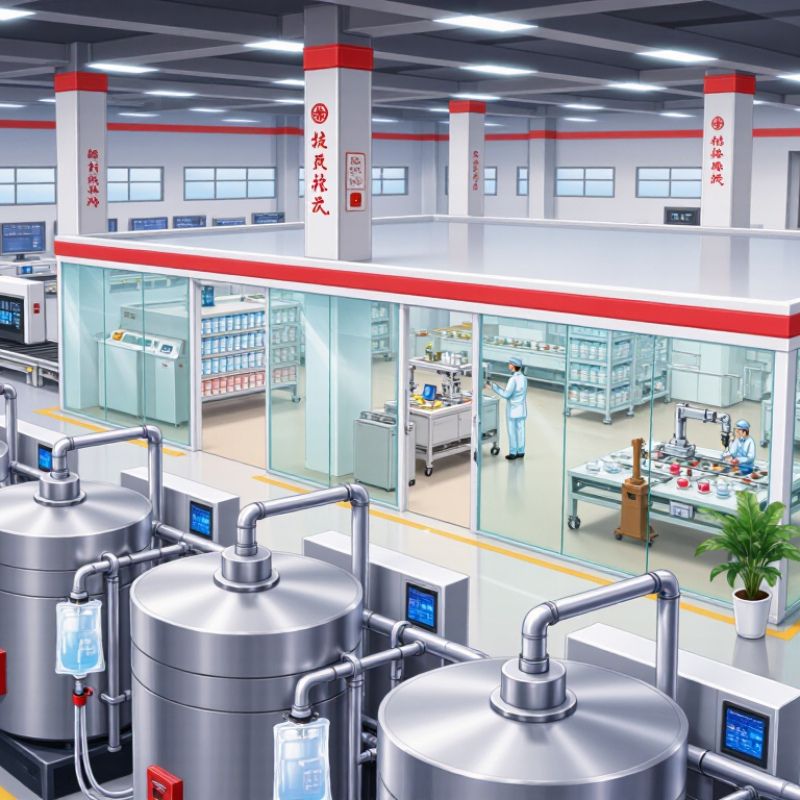
China’s biotechnology production systems are the connected facilities, processes, people, and controls used to turn biological research into products at commercial scale. The term covers more than factories. It includes cell-line development, fermentation or cell culture, purification, formulation, testing, and distribution. The exact boundary is fuzzy.
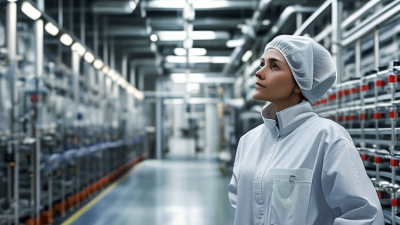
In China, these systems may link research institutes, contract manufacturers, industrial parks, and hospitals. Production can involve stainless-steel tanks or single-use culture bags, cleanrooms, and refrigerated storage. Each step needs trained staff, documented procedures, and checks for identity, purity, and consistency. Quality systems help make batches comparable, though implementation can differ between sites and product types.
The scope also includes supporting infrastructure: reliable utilities, raw-material sourcing, equipment maintenance, cold-chain transport, and digital batch records. Regulatory requirements shape how facilities document production and demonstrate quality. Cell therapies and traditional biologics, for example, may need very different workflows and handling conditions. One definition cannot capture every regional or technical variation. That limitation matters. “Production system” is useful as a broad map, but it can hide practical gaps, such as uneven access to specialist staff or validated testing capacity.
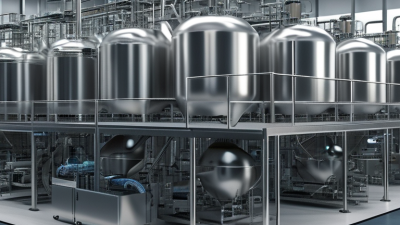
China’s biotechnology production base is not one factory model. Microbial fermentation uses stainless-steel tanks to grow bacteria or yeast, often producing enzymes, antigens, and some therapeutic proteins. Mammalian-cell systems suit complex biologics, including antibodies, because cells can perform essential protein modifications. Vaccine production adds distinct processes, such as cell culture, purification, and sterile filling. These platforms need different equipment, quality controls, and temperature management. A cleanroom is only one visible part of the system.
The World Health Organization’s Global Vaccine Market Report 2023 recorded about 16 billion vaccine doses supplied worldwide in 2021. That figure is not a measure of China’s production capacity, but it shows the scale that vaccine systems may need to handle. China also uses specialized facilities for cell-based therapies, where small, patient-specific batches require careful identity tracking and cold-chain handling. The gap is real: a large bioreactor does not automatically mean efficient output. Facilities must balance batch size, process reliability, and downstream purification. There is no perfect platform. Even established processes need review when yields vary or equipment changes.
An overview of major biomanufacturing systems used in China. The table describes production platforms rather than ranking companies or brands; actual adoption and facility scale vary by product and manufacturer.
| Production system | Typical host or process | Typical products | Common production format | Key strengths | Main considerations |
|---|---|---|---|---|---|
| Microbial fermentation | Bacteria or yeast cultivated in controlled, stirred-tank fermenters | Antibiotics, amino acids, organic acids, vitamins, and other microbial metabolites | Batch or fed-batch fermentation, followed by product recovery and purification | Fast organism growth, well-established scale-up methods, and suitability for large-volume products | Some products require complex downstream purification; bacterial systems cannot produce every type of complex protein correctly |
| Recombinant microbial protein production | Engineered bacteria or yeast expressing a selected protein | Selected therapeutic proteins, diagnostic reagents, and industrial proteins | Fermentation followed by cell removal, protein recovery, and purification | Relatively rapid production and the ability to use established fermentation equipment | Protein folding, secretion, and post-translational modifications may limit which products can be made effectively |
| Mammalian cell culture | Suspension-grown mammalian cells, commonly used for complex biologics | Monoclonal antibodies, recombinant proteins, and some vaccine antigens | Stainless-steel or single-use bioreactors, typically operated in batch or fed-batch mode | Supports complex proteins and important post-translational modifications | Requires careful control of cell culture conditions, contamination risks, and purification; production costs can be high |
| Vaccine production using eggs or cell culture | Embryonated eggs or qualified cell substrates, depending on the vaccine | Selected viral vaccines and vaccine antigens | Controlled propagation, harvesting, inactivation or purification where required, and formulation | Established approaches for producing certain types of vaccines at scale | Production method is product-specific; egg supply, cell-substrate qualification, biosafety, and seasonal demand may affect operations |
| Industrial enzyme fermentation | Selected bacterial or fungal production strains | Enzymes used in food processing, detergents, textiles, feed, and other industrial processes | Submerged fermentation or, for some processes, solid-state fermentation | Can deliver high enzyme productivity and serve a broad range of industrial applications | Strain performance, fermentation conditions, enzyme stability, and application-specific formulation are important |
| Plant cell and tissue culture | Plant cells, tissues, or organs grown under controlled conditions | Selected plant-derived compounds, research materials, and specialized ingredients | Bioreactors or controlled culture vessels, with processes tailored to the plant material | Provides a controlled alternative to harvesting some compounds directly from field-grown plants | Growth can be slow, scale-up may be challenging, and yields can vary with the plant species and culture conditions |
| Cell and gene therapy manufacturing | Patient or donor cells, viral vectors, or other delivery systems, depending on the therapy | Cell-based therapies and gene-modified products | Specialized, controlled processing with product-specific culture, vector production, testing, and release steps | Enables production of advanced therapies designed for defined patient groups or indications | Requires stringent identity, potency, sterility, and traceability controls; processes can be complex and less readily scaled like bulk products |
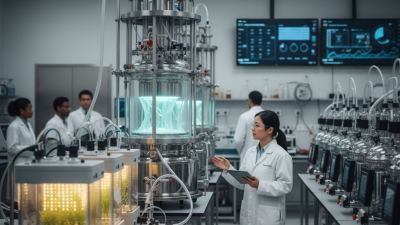
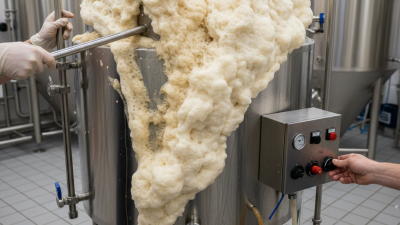
China’s biomanufacturing capacity relies on connected upstream and downstream systems. Upstream, cell-culture media, seed trains, and controlled bioreactors support consistent growth. Stainless-steel vessels suit large, repeated campaigns; single-use bags can simplify changeovers. The choice depends on product, scale, and facility design—not fashion. Control matters.
The process continues through filtration and chromatography, which separate and purify the target molecule. Inline sensors track pH, dissolved oxygen, and temperature; process analytical technology can help operators spot drift before a batch is complete. Grand View Research estimated the global bioprocessing market at about US$38 billion in 2023, reflecting the sector’s scale, not the performance of any one technology. BioPlan Associates’ 2024 biopharmaceutical manufacturing report also tracks capacity, production, and technology adoption across the industry.
For Chinese facilities, automation and digital batch records can connect equipment data with quality review. Yet sensors do not fix poor sampling or inconsistent operator practice. A temperature trace may look clean while an unrepresentative sample hides variation. That is the uncomfortable part. Experienced teams still need validated methods, careful maintenance, and clear handoffs between production and quality staff. Small details count. A system is only as dependable as its routine use.
China’s biotechnology production systems serve several distinct industries. Microbial fermentation supports enzymes, amino acids, food ingredients, and agricultural inputs. Mammalian cell culture and microbial processes also produce vaccines and other biologic medicines. Downstream purification then removes impurities and prepares products for controlled use. These systems share equipment, but not identical process requirements.
Food and agriculture show how production connects to everyday demand. China’s 14th Five-Year Plan for Bioeconomy Development names biological agriculture and biomedicine among its priority fields. In aquaculture, biotechnology supports feed enzymes, probiotics, and disease monitoring. The FAO’s 2024 State of World Fisheries and Aquaculture reports 94.4 million tonnes of farmed aquatic animals worldwide in 2022, with China the largest producer. That scale makes reliable water testing and production control especially important. The gap is real: biological inputs do not prevent every disease or reduce every environmental impact.
Industrial biotechnology also supplies bio-based materials and processing enzymes. Fermentation tanks can look similar across sectors, yet temperature, oxygen, and contamination controls differ sharply. A process that performs well in a pilot vessel may behave differently at factory scale. That uncertainty deserves more attention.
Representative applications across established biomanufacturing platforms
Bars count the representative application classes listed for each platform; they do not indicate market share, facility numbers, or production volume. Applications include established uses such as antibiotics and enzymes from microbial fermentation, therapeutic proteins from mammalian cell culture, and cell therapies from specialized cell-processing systems.
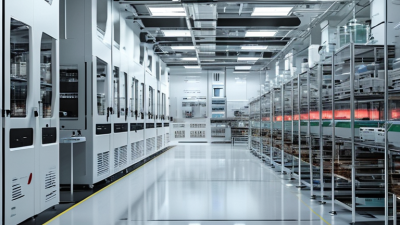
China’s leading biotechnology production systems combine cell-culture operations, purified-water loops, and tightly monitored cleanrooms. Regulation sets the operating boundary. The National Medical Products Administration reported 40 innovative-drug approvals in 2023 in its annual drug administration report. That growth raises the bar for manufacturers: each batch needs traceable records, validated processes, and reliable release testing.
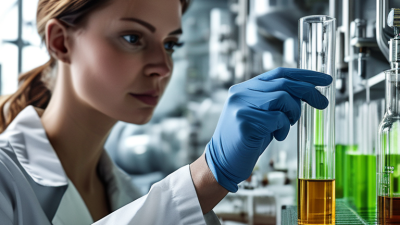
Quality control is practical, not decorative. Operators check room pressure, temperature, and microbial samples, while laboratories test identity, purity, potency, and contamination risks. WHO good manufacturing practice guidance emphasizes documented procedures and quality systems across production. Small deviations matter. A drifting sensor or poorly recorded handoff can weaken confidence in an otherwise sound process. Approval counts alone do not prove consistent manufacturing; that gap deserves more attention.
Future development should focus on stronger process analytics, skilled staff, and inspection-ready data systems. Real-time monitoring can help teams spot changes before a batch is complete, but software cannot replace trained judgment. China’s producers also need comparability studies when processes change, especially as facilities scale up. Faster expansion is tempting. Still, capacity without disciplined quality creates avoidable risk. The industry’s next test is making complex biologics reproducibly, with clear evidence at every step.