Why Choose Industrial Biotechnology Solutions?

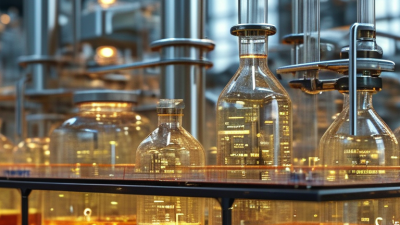
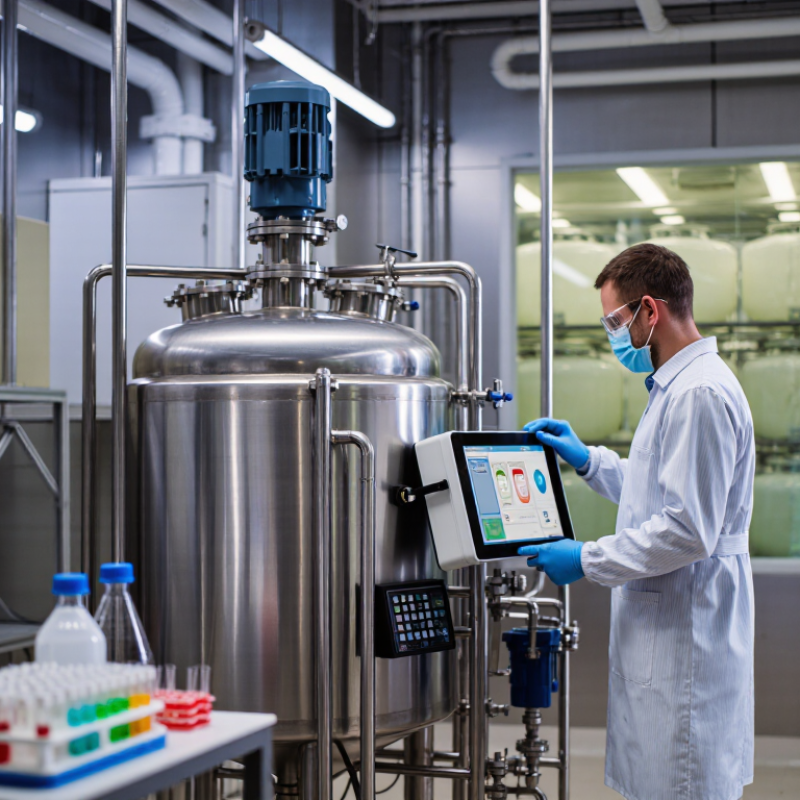
Industrial biotechnology solutions use cells, enzymes, and fermentation processes to make useful products with greater precision. They can support the production of ingredients, materials, and fuels while helping manufacturers reduce reliance on some fossil-based inputs. The idea is compelling. The work is practical, too: a stainless-steel fermenter, carefully controlled temperature, and a measured stream of feedstock can turn biological research into a repeatable production process.

Frances Arnold, a chemical engineer whose directed-evolution research advanced biocatalysis, has expressed the principle simply: “Let nature do the work.” Her work demonstrates how enzymes can be evolved for specific tasks, though industrial performance still depends on process design, cost, and reliable supply. A promising organism in a laboratory is not automatically a dependable factory process. Scale changes the details.

Choosing a solution therefore means looking beyond its headline benefits. Manufacturers should ask how consistently it performs, what inputs it needs, and whether its process fits existing equipment. They should also examine energy use, waste streams, product quality, and the evidence behind environmental claims. A small improvement in yield may matter across thousands of production cycles; a hidden bottleneck may erase it. That deserves scrutiny. Industrial biotechnology solutions are not a universal fix, and some projects will need more time or investment than expected. A careful evaluation can reveal where biology offers a measurable advantage—and where conventional production remains the more practical choice.
Why Choose Industrial Biotechnology Solutions?

What Industrial Biotechnology Solutions Include

Industrial biotechnology solutions cover more than fermentation. A practical project may begin with selecting sugars, oils, or agricultural residues that suit the process. Teams then prepare the feedstock, adjust temperature and acidity, and choose microbes or enzymes for a specific conversion. Small details matter. A clogged filter or inconsistent raw material can change output from one batch to another.

The solution also includes tanks, sensors, process controls, and downstream recovery. For example, a production line may need stainless-steel fermenters, cooling loops, and filtration equipment to separate a target ingredient from the broth. Engineers test oxygen levels and mixing rates before increasing production scale. Quality checks track purity, yield, and batch consistency. Wastewater and leftover biomass need careful handling, too. Not every promising bench result survives a full production shift. Scale-up can expose weak points, and energy or water use may be higher than expected. That deserves honest review. Lifecycle assessments and pilot runs help teams compare options before major equipment decisions.

How Industrial Biotechnology Processes Work

Why Choose Industrial Biotechnology Solutions?

How Industrial Biotechnology Processes Work

Industrial biotechnology uses cells or enzymes to convert renewable or recovered materials into useful products. A process often begins with a feedstock, such as plant sugars or food-processing residues. Teams test its composition because moisture, impurities, and sugar levels can vary. The material may then be milled, mixed with water, or treated with heat.

Small details matter. They can affect how well microbes use the feedstock.

In a controlled vessel, selected microorganisms or enzymes drive the conversion. Operators monitor temperature, acidity, oxygen, and nutrient levels, adjusting conditions when measurements drift. Sensors help, but samples still need laboratory checks. The resulting broth contains the target product alongside cells and leftover materials.

Separation steps, such as filtration or centrifugation, recover the product; further purification depends on its intended use.

Scale-up can be tricky. Heat and mixing behave differently in a large tank than in a small test vessel. Process teams therefore compare batches and refine operating conditions, sometimes revising assumptions when results do not match expectations.

Which Industries Use These Solutions

Industrial biotechnology uses enzymes, selected microorganisms, and fermentation to make or improve industrial products. Food and beverage producers use enzymes to clarify juice, develop cheese, and support brewing. Fermentation tanks also produce ingredients such as organic acids. Operators monitor temperature, acidity, and oxygen levels because small changes can affect output.

Agriculture uses microbial treatments to support soil health and help crops access nutrients. In textiles, enzymes can remove fabric impurities with less harsh processing. Pulp and paper facilities use them to aid fiber treatment, while chemical manufacturers apply fermentation to make solvents and specialty ingredients. The energy sector explores biological routes for fuels from plant-based material. These processes can reduce reliance on some conventional inputs, though results depend on feedstock and facility design.

Wastewater plants use microbes to break down organic matter, with operators tracking water quality and sludge conditions. Mining operations may use biological methods to help recover certain metals from low-grade ores. The gains vary. A process that works well in a pilot vessel may behave differently at full scale, where contamination control, energy use, and steady supply matter. Industrial biotechnology is not an automatic upgrade; each site needs careful testing, and some applications remain costly or technically awkward.

Why Choose Industrial Biotechnology Solutions?

Industrial biotechnology uses enzymes and microorganisms to make or process products across many sectors.

The bars count representative, established application types shown for each industry—not market size, industry adoption, or total applications. Examples include fermentation and enzyme processing in food, microbial inoculants in agriculture, bioethanol in energy, and enzyme treatments in textiles and paper production.

What Benefits They Offer Over Conventional Methods

Industrial biotechnology uses enzymes or microorganisms to make materials, ingredients, and chemicals. Conventional routes often rely on multiple chemical reactions, higher temperatures, or fossil-based feedstocks. Biological processes can work under milder conditions, which may reduce energy demand and unwanted by-products. That matters.

A fermentation tank offers a practical example. Microbes consume sugars or other suitable feedstocks and produce a target compound in a controlled vessel. Enzymes can also act selectively, reducing the need for some separation steps. For manufacturers, this may mean less solvent use, fewer process stages, and more consistent product quality. The actual benefit depends on the organism, feedstock, and plant design; it is not automatic.

There are trade-offs. Fermentation requires careful control of temperature, oxygen, and contamination, while separating a product from a broth can consume substantial energy. Feedstock availability and water use also affect the overall footprint. Pilot runs help reveal these limits before a process is scaled up. Results from one facility may not transfer neatly to another. This part is easy to underestimate. Comparing measured energy, waste, yield, and life-cycle impacts gives a more dependable basis for choosing biotechnology over a conventional method.

What Factors Guide Their Selection and Implementation

Choosing industrial biotechnology solutions starts with the process, not the technology label. Define the product specification, annual output, and acceptable cost range before comparing microbial, enzymatic, or cell-based routes. Then test whether local feedstocks remain consistent across seasons. A residue that looks uniform on paper may vary in moisture, ash, or sugar content. Small differences can disrupt fermentation and raise purification costs. Measure these inputs directly.

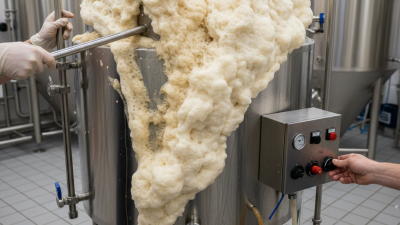
Selection should also account for scale-up, utilities, and downstream recovery. A high laboratory yield is not enough if tanks need excessive cooling or the product is difficult to separate. Compare water, energy, cleaning, and waste loads per unit of output. Pilot runs can reveal foaming, contamination risks, and slow batch transitions. They are not perfect predictors. That matters.

During implementation, set measurable targets for yield, cycle time, and product quality. Monitor them through routine sampling and calibrated instruments. Train operators to handle deviations, not just follow ideal procedures. Keep a documented fallback plan for feedstock shortages or equipment downtime.

One awkward truth: teams sometimes optimize a single yield figure and overlook maintenance hours. Include those hours in the business case.

Review results with process engineers, operators, quality specialists, and environmental staff before committing to full production.

Go to Top