Top 10 Microbial Fermentation Technology Suppliers?

Microbial fermentation technology is moving from specialized laboratories into food, pharmaceuticals, chemicals, and sustainable materials. Stainless-steel tanks now operate beside precision sensors, sterile air lines, and computer-controlled feeding systems. The opportunity is substantial, but the market remains difficult to compare.

MarketsandMarkets estimates that the global industrial fermentation market could grow from approximately USD 27.3 billion in 2023 to USD 39.3 billion by 2028. Its analysis highlights bioreactors, enzymes, antibiotics, biofuels, and microbial strains as major growth areas. The Good Food Institute’s State of the Industry: Fermentation report also records strong private investment and expanding commercial activity in fermentation-based products. These figures are useful, but they combine different applications. That weakens direct comparisons between suppliers.

David Welch of the Good Food Institute has described precision fermentation as “a platform, not a product.” The distinction matters. A supplier may offer microbial strains, culture media, fermentation vessels, process controls, downstream purification, or complete manufacturing support. Few companies excel equally across every stage.

This Top 10 review examines suppliers through practical criteria. These include strain performance, scale-up experience, contamination control, automation, regulatory support, and documented customer results. Pilot capacity matters. So does the ability to maintain consistent yields inside a large production tank.

The ranking is not absolute. Data availability varies, and supplier claims require careful verification. Some vendors publish detailed technical evidence, while others provide polished but limited case studies. Readers should treat this list as a decision-making starting point, not a final procurement verdict.
Top 10 Microbial Fermentation Technology Suppliers?

Definition and Scope of Microbial Fermentation Technology

Top 10 Microbial Fermentation Technology Suppliers?

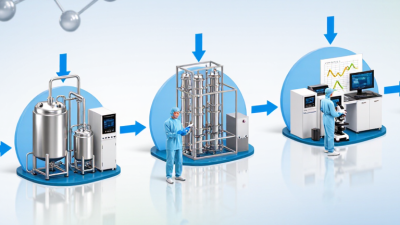
Microbial fermentation technology refers to controlled systems that grow bacteria, yeast, or fungi for useful products. The scope covers more than fermentation tanks. It includes strain selection, media preparation, sterilization, process control, harvesting, and quality testing. In a working facility, sensors track temperature, pH, dissolved oxygen, pressure, and agitation. Small changes can affect yield and consistency.

Suppliers in this field may provide laboratory tools, pilot-scale equipment, production bioreactors, filtration units, automation software, or technical services. A reliable evaluation should examine scalability, cleaning procedures, data integrity, maintenance access, and operator training. Practical pilot studies often reveal problems that product brochures hide. For example, foam may increase during scale-up, while oxygen transfer may decline. The boundary of this technology is not always neat. Some suppliers offer complete platforms, while others specialize in one stage. Comparing them can become misleading without a clear process map.

Tips: Define the organism, product, volume, and required controls before contacting suppliers. Request process data from comparable applications, not only performance claims. Check whether materials support cleaning and regulatory documentation. Keep one concern visible: laboratory success does not guarantee manufacturing reliability. I may overlook an important variable, especially when the process changes quickly. A careful risk review should remain part of every supplier assessment.

Core Equipment and Services Provided by Leading Suppliers

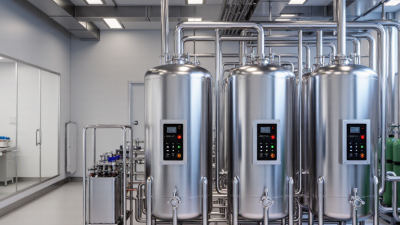
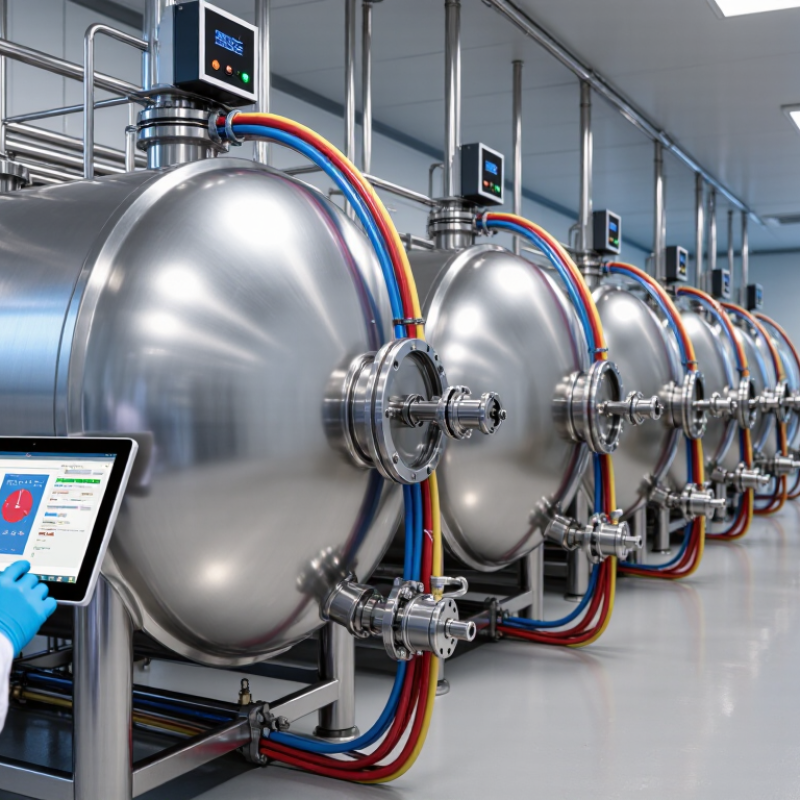
Leading microbial fermentation technology suppliers now provide far more than stainless-steel vessels. Their core packages often include seed-train systems, stirred-tank fermenters, sterile air units, agitators, and automated process controls. A typical production line may also require clean-in-place and steam-in-place systems, dissolved oxygen probes, pH sensors, and temperature alarms. Small details matter. A poorly positioned probe can distort an entire batch decision.

MarketsandMarkets estimates that the industrial fermentation market could grow from about USD 28.8 billion in 2023 to USD 44.7 billion by 2028, with a 9.2% CAGR.

This expansion increases demand for scalable equipment and dependable technical support. Strong suppliers provide installation, commissioning, operator training, validation documents, preventive maintenance, and remote troubleshooting. They should also support process transfer from laboratory vessels to pilot and commercial scale.

Downstream services are equally important. Suppliers may offer centrifugation, membrane filtration, concentration, drying, and waste-treatment integration. Process analytical technology can improve consistency, but it is not a magic solution. Sensors drift. Data can be incomplete. BioPlan Associates’ annual bioprocessing surveys repeatedly highlight workforce capability and manufacturing reliability as practical industry concerns. Buyers should therefore assess service response times, spare-parts availability, software compatibility, and documentation quality. A lower equipment price may become expensive when support is slow.

Key Criteria for Evaluating Fermentation Technology Suppliers

When comparing the top 10 microbial fermentation technology suppliers, evaluate evidence rather than polished claims. Start with process fit. Ask whether the platform handles your organism, feed strategy, oxygen demand, and target volume. A laboratory vessel may perform well, yet fail during scale-up. Review agitation range, heat removal, foam control, sampling design, and contamination safeguards. Request pilot data from a process resembling yours. Real operating records matter more than brochure yield.

Technical credibility also depends on control and documentation. Check sensor accuracy, calibration routines, batch-record security, and alarm history. Confirm that software changes are traceable and operators receive practical training. Supplier engineers should explain failure modes without hiding uncertainty. Ask for installation timelines, spare-part availability, maintenance response, and remote-support limits. Independent references can reveal recurring delays or difficult cleaning steps. Total cost includes utilities, consumables, validation work, downtime, and upgrades, not only the purchase price.

Tips: Define pass-or-fail criteria before demonstrations. Bring a process engineer, quality specialist, and experienced operator to each review. Test cleaning access with a flashlight, not assumptions. Compare three-year ownership costs using the same production schedule. Keep questions in writing and record unanswered items. One overlooked detail can matter. I would also challenge impressive pilot results; some conditions may be unusually favorable. A supplier that welcomes difficult questions often inspires more confidence than one offering perfect answers.

Top 10 Microbial Fermentation Technology Suppliers

Top 10 Microbial Fermentation Technology Suppliers

The top 10 microbial fermentation technology suppliers should be judged by measurable process performance, not visibility alone. MarketsandMarkets’ 2024 Fermentation Ingredients report estimates growth from about USD 28.3 billion in 2024 to USD 38.1 billion by 2029. This expansion increases demand for reliable bioreactors, sterile transfer systems, sensors, and downstream purification.

A practical supplier shortlist should include providers of laboratory fermenters, pilot-scale vessels, industrial production lines, process-control software, culture media, filtration equipment, and technical validation services. Strong suppliers can maintain stable temperature, dissolved oxygen, pH, and agitation during long production cycles. A stainless-steel vessel may look impressive, yet weak sampling design can damage the entire process. That detail matters.

The top ten candidates should also show documented scale-up experience, cleanability data, operator training, and responsive maintenance. Grand View Research reports continued investment in industrial biotechnology, supported by demand for enzymes, food ingredients, and sustainable materials. However, market rankings remain imperfect. Public reports often combine equipment, ingredients, and contract services, making direct comparisons difficult.

Experienced buyers should request batch records, calibration intervals, contamination-control procedures, and real production examples. Ask for evidence. A polished brochure is not evidence. Suppliers with flexible pilot systems may outperform larger suppliers when a process still changes weekly. Cost remains important, but downtime, failed batches, and delayed validation can quickly outweigh a lower purchase price.

Top 10 Microbial Fermentation Technology Suppliers

Anonymous capability benchmark based on publicly documented fermentation scale-up, process control, single-use systems, downstream integration, and service coverage.

The composite index is normalized to 100 and compares supplier capabilities rather than revenue or market share. Higher scores indicate broader documented technology coverage across microbial strain development, pilot and commercial-scale fermentation, automation, downstream processing, and technical support.

Industry Applications and Future Development Trends

Microbial fermentation technology now supports food ingredients, medicines, crop inputs, and sustainable materials. Leading suppliers typically provide bioreactors, process controls, microbial strains, and downstream recovery systems. Their value depends less on equipment size than on repeatable performance. In food production, fermentation improves protein texture, flavor, and nutritional consistency. In pharmaceutical manufacturing, controlled cultures produce active ingredients under strict quality systems. Agricultural applications include biological fertilizers and microbial soil treatments. Industrial plants use fermentation to make enzymes, organic acids, and biodegradable polymers. Pilot data matters. A polished brochure cannot replace stable yields across several batches.

Future development will center on automation, lower energy demand, and flexible production platforms. Inline sensors can track pH, oxygen, temperature, and contamination risks in real time. Machine learning may adjust feeding rates before cultures lose productivity. That promise is real, but not effortless. Poor data can create confident errors. Suppliers will need stronger traceability, cybersecurity, and validation records. Smaller modular fermenters may help regional manufacturers reduce transport and water use. New substrate research could convert food residues into useful feedstocks, although composition changes remain difficult to control. Regulatory expectations will also shape design, especially for products entering food, medical, or agricultural markets.

The strongest technology partners will demonstrate scale-up evidence, operator training, maintenance access, and transparent performance limits. Independent testing should examine contamination control, batch consistency, waste streams, and total operating cost. Some systems still consume more water than expected. That weakness deserves attention. Future progress will depend on practical engineering, responsible sourcing, and honest cooperation between suppliers, researchers, and manufacturers.

Top 10 Microbial Fermentation Technology Suppliers? Industry Applications and Future Development Trends
Rank Supplier Code Primary Technology Platform Representative Production Scale Key Industry Applications Core Technical Strengths Current Market Position Expected Development Direction
1 Supplier A Bacterial fermentation Yeast fermentation Laboratory development through commercial stainless-steel fermentation systems generally ranging from 10 L to more than 1,000 m³. Industrial enzymes, amino acids, organic acids, vitamins, biopharmaceutical intermediates and specialty chemicals. Large-scale process transfer, oxygen-transfer control, fed-batch optimization and integrated downstream recovery. Broad platform coverage with strong suitability for high-volume, cost-sensitive products. Greater use of continuous processing, advanced process analytical technology, low-carbon utilities and AI-assisted fermentation control.
2 Supplier B Mammalian cell culture Microbial expression From small-scale development bioreactors to manufacturing trains commonly reaching several thousand liters. Recombinant proteins, vaccines, antibody fragments, plasmid-related products and advanced biological medicines. Good manufacturing practice process development, aseptic operations, single-use systems and quality-by-design implementation. Strong focus on regulated biopharmaceutical manufacturing and technology transfer. Expansion of flexible multiproduct facilities, intensified seed trains, single-use bioreactors and digital batch records.
3 Supplier C Precision fermentation Engineered yeast Development and pilot production commonly use 1–10,000 L systems, with selected commercial processes moving to larger vessels. Alternative proteins, dairy proteins, specialty lipids, functional ingredients and food-grade enzymes. Metabolic engineering, strain screening, high-cell-density cultivation and food-grade downstream processing. Well positioned in high-value food and nutrition products where precision fermentation can replace animal-derived inputs. Improved titers, lower feedstock costs, regulatory approvals and commercial-scale production of complex proteins.
4 Supplier D Filamentous fungi Solid-state fermentation Tray, packed-bed and submerged systems from pilot scale to industrial vessels exceeding 100 m³ for selected products. Enzymes, mycoprotein, organic acids, agricultural biologicals, animal-feed additives and biomass-based ingredients. Fungal morphology control, viscosity management, biomass handling and economical use of agricultural substrates. Competitive in products requiring complex fungal secretion systems or low-cost biomass conversion. More efficient solid-state reactors, automated moisture control, circular feedstocks and improved fungal strain engineering.
5 Supplier E Anaerobic fermentation Gas fermentation Pilot systems often range from 100 L to 100 m³; commercial projects may use multiple large reactors operated in parallel. Bioethanol, organic acids, single-cell protein, renewable chemicals and carbon-utilization products. Gas transfer, anaerobic process control, microbial conversion of carbon dioxide or industrial gases and energy integration. High strategic relevance for low-carbon manufacturing, although economics depend strongly on feedstock and energy prices. Improved carbon conversion efficiency, renewable hydrogen integration, lower gas-transfer costs and lifecycle-emissions reduction.
6 Supplier F Probiotic fermentation Lactic acid bacteria Typical production includes 100 L to 200 m³ fermentation systems, followed by concentration, stabilization and drying. Probiotics, starter cultures, fermented foods, nutritional supplements and microbial feed additives. Viability preservation, contamination control, freeze-drying or spray-drying and strain-specific process optimization. Strong demand from functional food, preventive health and animal nutrition markets. Better shelf stability, multi-strain formulations, personalized nutrition applications and improved non-dairy delivery formats.
7 Supplier G Industrial enzyme fermentation High-cell-density culture Production scales commonly extend from pilot vessels to more than 500 m³, depending on enzyme type and market volume. Detergents, food processing, textiles, pulp and paper, biofuels, animal nutrition and leather processing. High productivity, secretion systems, enzyme recovery, ultrafiltration and formulation for demanding industrial conditions. Established platform for replacing petrochemical or energy-intensive processing steps with biocatalysis. Development of thermostable enzymes, enzyme cocktails, computational protein design and lower-temperature manufacturing processes.
8 Supplier H Plasmid and DNA fermentation Recombinant microbial systems Small-scale development to clinical manufacturing commonly uses single-use or stainless-steel systems from 10 L to several thousand liters. Gene therapies, nucleic-acid vaccines, cell therapy raw materials and molecular biology reagents. Plasmid quality control, endotoxin reduction, closed processing and compliance with stringent biopharmaceutical requirements. Focused on high-value, lower-volume products with demanding purity and traceability requirements. Higher-copy-number strains, automated purification, improved supercoiled plasmid yields and scalable production of larger DNA constructs.
9 Supplier I Microbial biomanufacturing Synthetic biology Typical capability spans microplate screening, 1–100 L development, pilot fermentation and selected commercial scale-up programs. Specialty chemicals, natural products, fragrances, pigments, pharmaceutical intermediates and biomaterials. Design-build-test-learn workflows, pathway engineering, automated screening and rapid strain-to-process development. Suitable for complex or novel molecules that are difficult to produce through conventional chemical synthesis. Broader host-organism libraries, machine-learning-guided strain design, faster scale-up and improved process economics.
10 Supplier J Contract fermentation services Flexible multiproduct manufacturing Services commonly cover laboratory, pilot and commercial production, with available capacity determined by project and regulatory requirements. Biopharmaceuticals, food ingredients, industrial biotechnology, microbial therapeutics and specialty chemicals. Process development, technology transfer, scale-up, contract manufacturing, analytical testing and regulatory support. Valuable for emerging companies that require external capacity without building their own fermentation plant. More modular facilities, shorter technology-transfer timelines, integrated analytics and commercially flexible capacity models.
Data interpretation: Supplier codes are used instead of company or brand names. The ranking is an indicative comparison based on platform breadth, industrial scale-up capability, application coverage, regulatory readiness and future growth potential. Production-scale ranges are representative industry ranges and vary by organism, product, process economics and facility design.
Go to Top